How does test and tag align with the NSW Section 26A and Electrical Safety
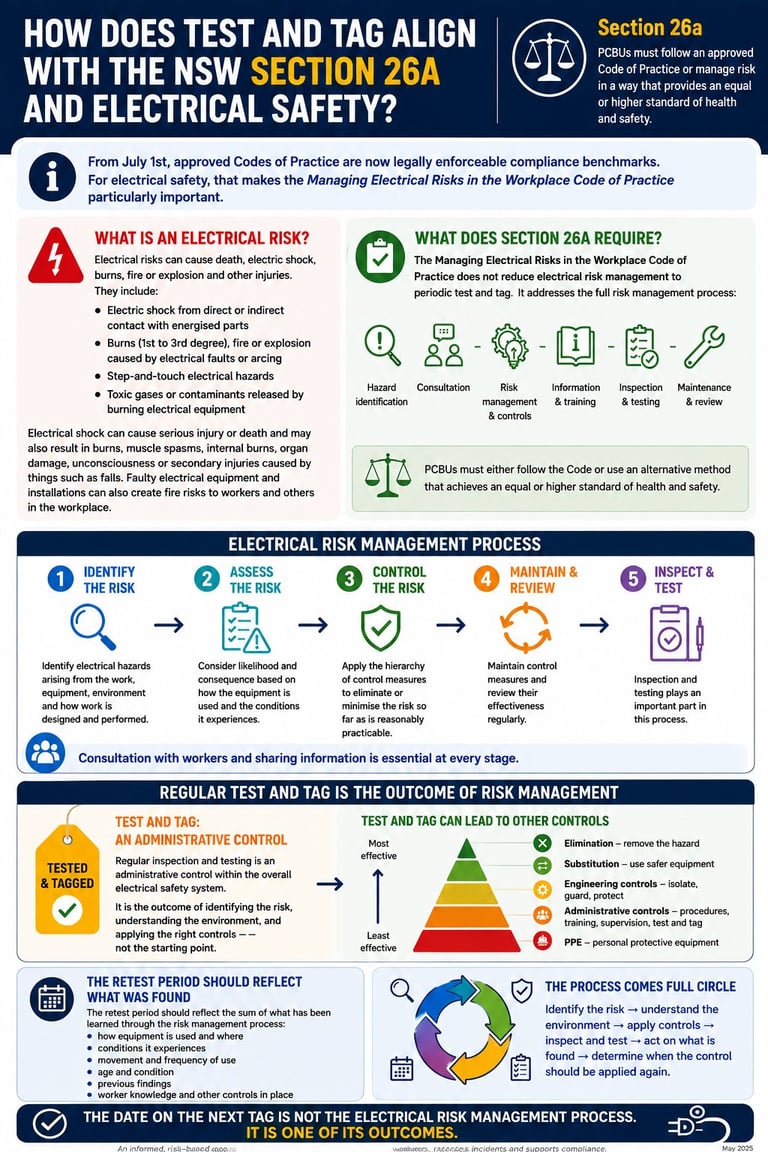
From July 1st, approved Codes of Practice are now legally enforceable compliance benchmarks. For electrical safety, that makes the Managing Electrical Risks in the Workplace Code of Practice particularly important.
Electrical risks pose the risk of death, electric shock and other injuries caused directly or indirectly by electricity. These include:
Electrical shock can cause serious injury or death and may also result in burns, muscle spasms, internal burns, organ damage, unconsciousness or secondary injuries caused by things such as falls. Faulty electrical equipment and installations can also create fire risks to workers and others in the workplace.
26a has been enacted.
From July 1st, approved Codes of Practice are now legally enforceable compliance benchmarks. For electrical safety, that makes the Managing Electrical Risks in the Workplace Code of Practice particularly important.
The Code does not reduce electrical risk management to periodic test and tag. It addresses hazard identification, consultation, risk management, controls, information and training, inspection and testing, maintenance and review.
Section 26a – Duty of persons conducting business or undertaking – code of practice
A person conducting a business or undertaking must, if the Minister approves a code of practice for the purposes of this Act –
Persons Conducting a Business or Undertaking (PCBUs) must either follow an approved SafeWork NSW Code of Practice or use an alternative method of managing risk that achieves an equal or higher standard of health and safety.
Managing electrical risks in the workplace is a risk management process:
Electrical inspection and testing can play an important part in this process, as outlined in detail in the Managing Electrical Risks in the Workplace Code of Practice.
Before we get to test and tag and how it fits the model Code of Practice the following must be understood. For a full breakdown of the underlying statutory duties, see our guide to whether test and tag is a legal requirement in NSW.
The obligation to manage electrical risk does not originate in AS/NZS 3760.
The Work Health and Safety Act 2011 establishes the primary duty of care. The Work Health and Safety Regulation 2025 then deals specifically with electrical risks in the workplace. Section 147 requires a PCBU to manage risks to health and safety associated with electrical risks at the workplace in accordance with Part 3.1 of the Regulation.
The framework requires risks to be eliminated so far as is reasonably practicable. Where elimination is not reasonably practicable, they must be minimised so far as is reasonably practicable.
The legal objective is decision-making to manage or eliminate electrical risks in the workplace. Test and tag does not replace the risk management process.
Other WHS regulation clauses related to managing electrical risks in the workplace include:
The NSW Managing Electrical Risks in the Workplace Code of Practice provides a lot more detail about identifying electrical hazards. It does not reduce the assessment to whether a workplace is an office, factory, warehouse, school or workshop. Electrical hazards can arise from the interaction between the physical work environment, equipment, materials, work tasks and the way work is designed and performed.
For electrical equipment, relevant considerations can include:
The question that needs to be asked is:
What can happen to this equipment that could affect its electrical safety in this environment, and at this point in time?
A powerboard that has spent decades in a clean, dry office may not have experienced what would traditionally be described as a hostile environment. But its age, design, condition and history still matter. Likewise, equipment that appears to belong to a relatively benign workplace category may experience significant mechanical wear because of how workers actually use it.
Important: it cannot be assumed that an environment is low risk just because it is an office. Those responsible for managing this risk process must walk through the office and observe firsthand electrical equipment in service, on site, to determine how volatile a work environment is to electrical equipment, based on evidence (what is actually observed) – not based on conjecture or assumption.
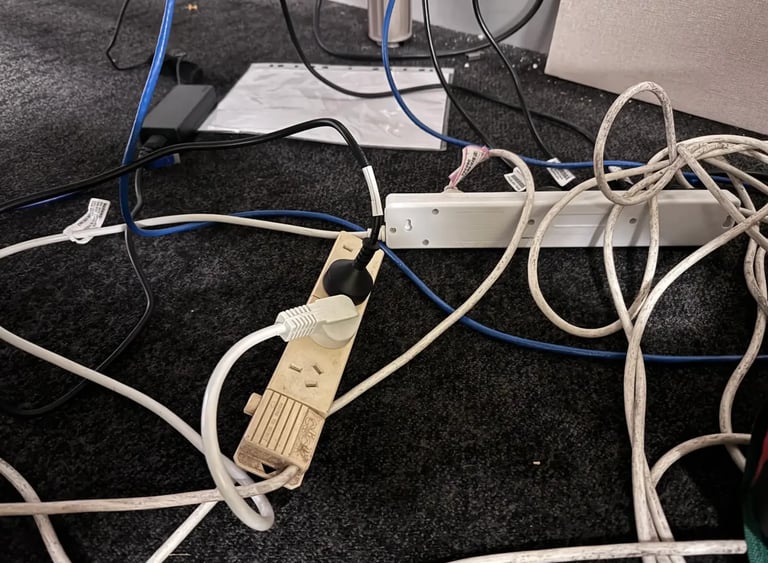
For example, if a low-risk environment has not had electrical inspection and testing in 20+ years, on the balance of probability there will be electrical items in that environment that will fail visual inspections and/or testing due to being open to abuse over a prolonged period of time. The factors that are contributing to these visual fails and hidden electrical risks must be cyclically managed as part of the WHS system – not just done once and never revisited. Deciding on the right retest schedule is a risk decision, not a fixed rule — explore why test and tag intervals should be based on risk assessment.
The people using electrical equipment often know things about its operating conditions that cannot be identified from an asset register. They also know which power points (GPOs) work and which do not across the site, particularly in office environments.
Consider electrical equipment carried in work vehicles.
Two businesses may own identical extension leads, chargers and portable electrical equipment. One may have fitted storage, carefully coil leads, protect equipment during transport and immediately report damage.
At another workplace, the same equipment may be thrown into the back of a vehicle with tools and materials, transported over rough roads and repeatedly dragged in and out throughout the working day with little to no consideration for the abuse being done to the electrical equipment.
The equipment and nature of the work might be identical.
The conditions experienced by the equipment is not.
The same principle applies in an office.
An asset register may show a computer, monitor, powerboard and charger sitting at a workstation. Yet workers may know that the desk has been relocated twice, the monitor was upgraded, IT disconnected and reconnected everything during a system change, and the laptop charger regularly travels to other locations, the powerboard is 30 years old.
That information changes our understanding of normal use and potential risks.
This is why worker consultation and observation of how equipment is actually used are important actions in identifying electrical hazards. Particularly over time – the workers know the site, the equipment they use daily, where and how electrical risks may eventuate.
However, workers do not replace the PCBU or responsible person in making decisions about managing electrical risks.
Their knowledge, insights and concerns form an integral part of the information used when decisions are made about managing electrical risks. The risk management process involves ongoing consultation, action and training to ensure that risks are managed appropriately, among other actions as outlined in the Managing Electrical Risks in the Workplace Code of Practice.
Section 150 of the NSW Work Health and Safety Regulation 2025 creates a specific inspection and testing obligation.
Broadly, electrical equipment must be regularly inspected and tested by a competent person where it is:
Examples include moisture, heat, vibration, mechanical damage, corrosive chemicals and dust.
The second part is particularly important. It does not simply ask:
What industry is this?
It asks about normal use and the operating conditions actually experienced by the equipment. This is not a definitive list either. The Managing Electrical Risks in the Workplace Code of Practice goes into greater detail in relation to inspection and testing in this regard.
Determining the answers may require observation of the workplace, knowledge of the equipment, consultation with workers and consideration of how work is actually performed. PCBUs need to walk the factory floor.
There is also an important distinction between sections 147 and 150.
Section 147 establishes the broader duty to manage electrical risks. This is a statutory obligation where the penalties for failing to do so progress from infringement notices to large fines and even incarceration.
Section 150 establishes a particular inspection and testing requirement where its conditions are satisfied.
The Managing Electrical Risks in the Workplace Code of Practice describes in greater detail the role of regular inspection and testing in identifying and managing electrical risks in the workplace.
Inspection and electrical testing perform related but different functions.
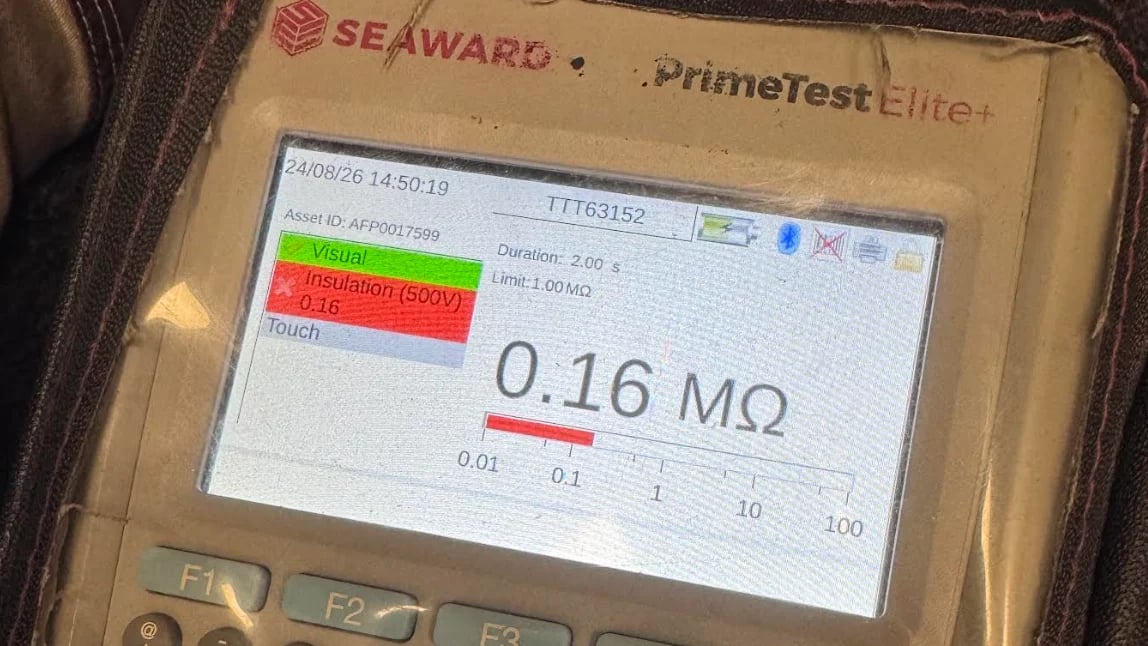
Inspection and testing is therefore fundamentally diagnostic. Qualitative (visual inspection) and quantitative (formal testing).
It is an administrative control in the hierarchy of controls.
Yet in its execution, a range of controls can be utilised as a result of regular inspection and testing to manage electrical risks including elimination (removing from service faulty items), engineering controls (adding a portable RCD to manage the risk of power surges) or even substitution (removing from service a powerboard that is 20+ years old and replacing it with a new powerboard compliant with current manufacturing standards).
Inspection and electrical testing fundamentally asks whether the equipment shows evidence of something having affected its electrical safety, inside or out.
A competent person can inspect the plug, flexible cord, enclosure and other relevant components and conduct the applicable electrical tests to determine whether the equipment is electrically safe at that point in time and place. For organisations looking to put this into practice, our portable appliance testing & tagging service walks through the full testing process on site.
That last qualification is important.
Testing is a point-in-time assessment.
A successful test today does not prevent somebody damaging a cord tomorrow.
It does not stop equipment ageing. It does not prevent the flex cord on a powerboard from being pinched between desks. It does not prevent equipment being moved, modified or incorrectly reassembled or incorrectly used.
And the future date written on a tag does not guarantee that the equipment will remain safe until that date.
That is why workers and PCBUs must not ignore obviously damaged or potentially unsafe equipment simply because its tag remains current, nor assume that it was missed by the company that last did the testing.
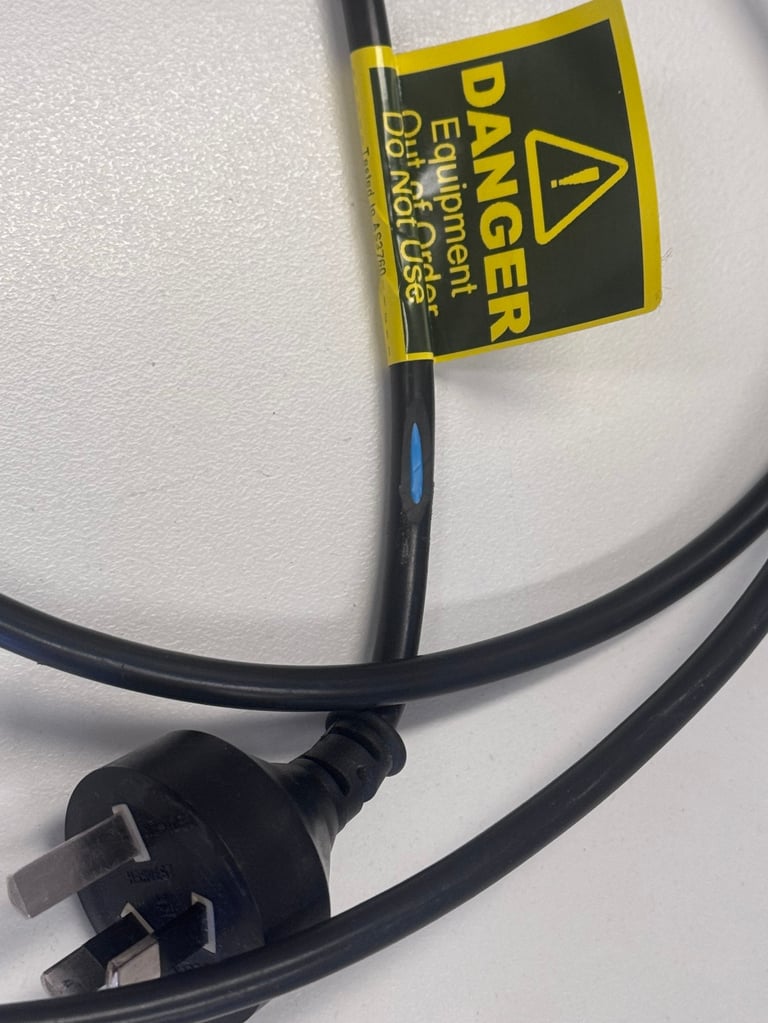
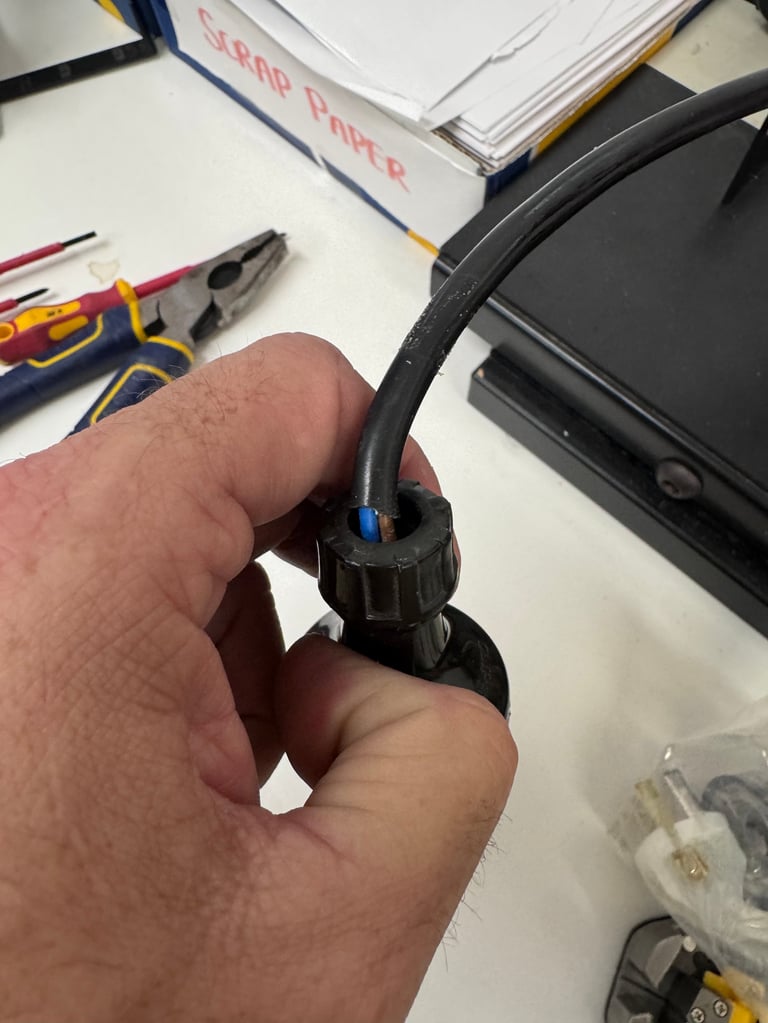
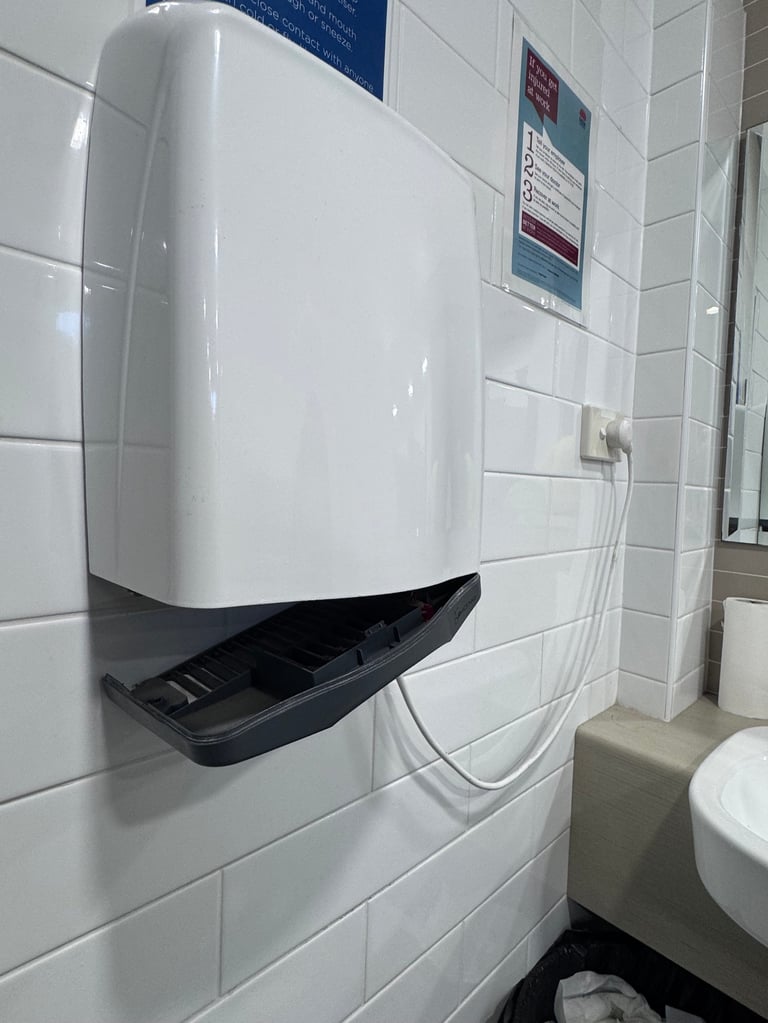
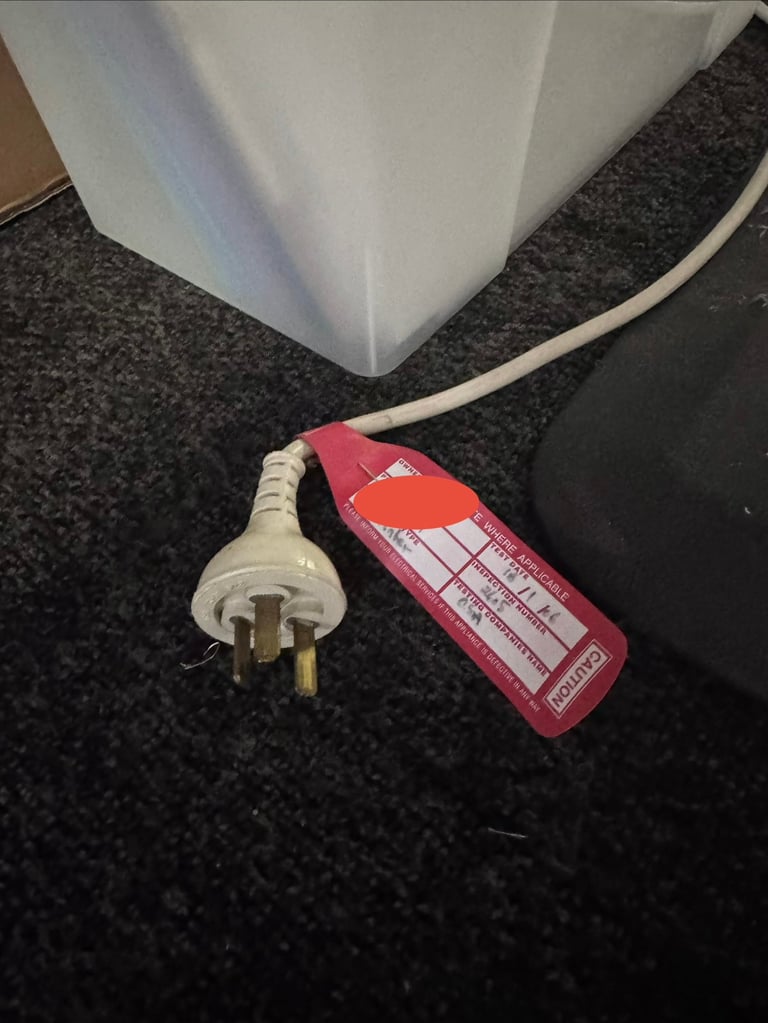
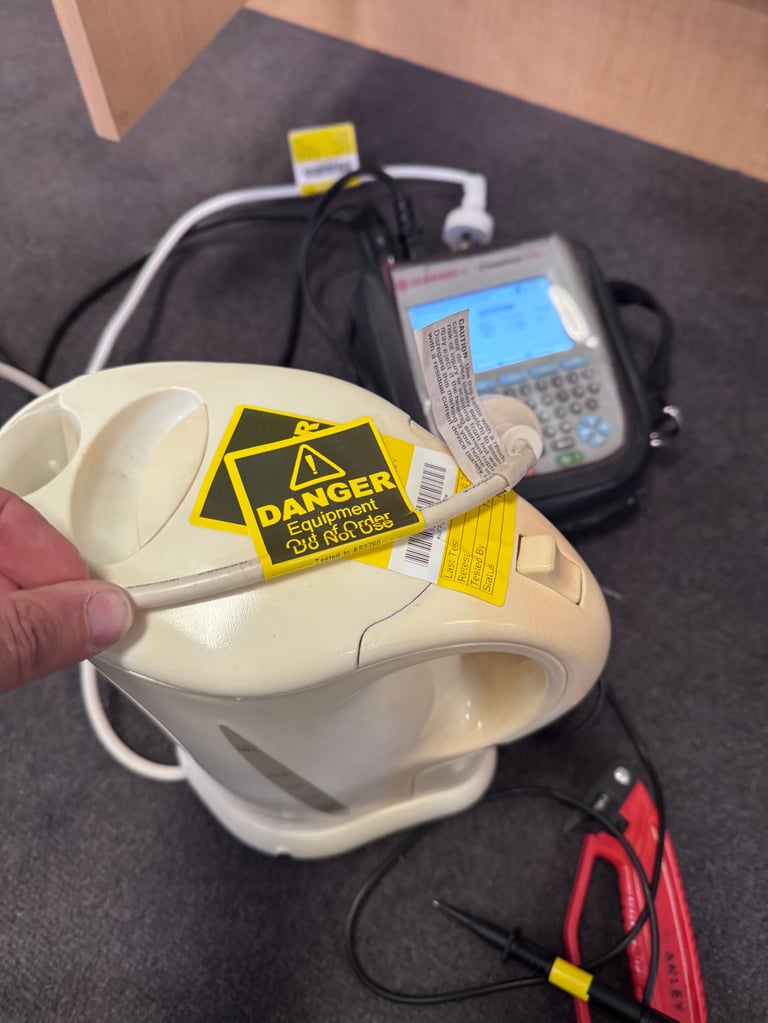
Electrical risks should be managed through the normal WHS risk-management process and hierarchy of controls. As stated, the Managing Electrical Risks in the Workplace Code of Practice goes into greater detail here and covers a range of topics that may not be obvious for consideration when managing electrical risks including the maintenance of plant and equipment, good work design and safe design.
Depending on the circumstances, controls may include selecting more suitable equipment, physical protection, guarding, insulation, RCD protection, safe storage, preventative maintenance, worker training, pre-use inspections, defect reporting and procedures for removing unsafe equipment from service.
Inspection and testing sits within that broader system.
It provides information.
It can reveal whether damage, deterioration or an electrical fault has occurred.
It can also provide valuable information about what has happened to the equipment since the previous inspection.
That is why the question during an inspection should not be a closed question:
Did anything fail?
The question should be an open question - broader, more holistic of what was seen and tested across the site as an electrically interconnected whole:
What have you noticed?
Describe the patterns. Not just the isolated and random fails. Provide a snapshot of what was observed and tested as a whole.
Patterns of damaged plugs, faulty GPOs, crushed powerboards, deteriorating leads, relocated equipment or inappropriate equipment use can tell a PCBU something about the effectiveness of its broader electrical-safety arrangements.
In doing so, this can challenge preconceptions about the health of electrical equipment across the site, and how the activity and nature of the physical site affect the longevity of corded electrical equipment.
A current test tag tells us something useful about an item's inspection and testing history. It does not tell us, by itself, whether all relevant electrical hazards have been identified or whether the controls surrounding that equipment remain effective.
Section 149 of the NSW Regulation deals with unsafe electrical equipment.
Where electrical equipment is unsafe, it must be disconnected or isolated from its electricity supply and must not be reconnected until the relevant requirements for repair, testing, replacement or removal have been satisfied.
That reinforces an important principle:
The scheduled testing interval does not determine when a PCBU needs to act.
If a worker finds a damaged plug, exposed conductor, cracked enclosure, damaged flexible cord or another condition indicating that equipment may be unsafe, the response cannot be:
It isn't due for testing yet.
The electrical risk exists now.
The same principle applies where new safety information becomes available, including relevant product recalls.
Whatever formal inspection interval is selected, the electrical-safety system still needs to operate between scheduled inspections.
Once electrical risks have been identified and controls implemented, the process continues.
Controls need to remain effective and appropriate for the work being performed.
They also need to be reviewed when circumstances change or when information indicates that the existing arrangements may no longer adequately control the risk.
That might occur because:
A risk assessment does not control anything merely because the document exists.
A procedure does not control anything if nobody follows it.
A pre-use inspection program provides little assurance if the inspections do not occur.
And a defect-reporting process is ineffective if reported defects are not acted upon.
The useful questions therefore include:
Not every workplace operates under the same inspection and testing regime.
Construction and demolition work provides a useful example.
In NSW, the applicable regulatory framework and AS/NZS 3012:2019 establish more prescriptive electrical requirements for construction and demolition work, including inspection and testing requirements for applicable portable electrical equipment.
That environment is treated differently because equipment can be exposed to considerably harsher operating conditions.
This illustrates an important point.
An office, workshop and construction site are not interchangeable simply because the electrical equipment in each workplace has a plug.
The applicable requirements depend on the equipment, work, operating conditions and any particular legislative or technical requirements that apply.
Regular inspection and testing should be the outcome of the electrical risk-management process, not the starting and end point.
The process begins by identifying electrical hazards, understanding how equipment is actually used, considering the conditions it experiences, consulting workers, assessing the risks and determining the controls required.
Where regular inspection and testing forms part of those controls, it operates as an administrative control within the broader electrical-safety system.
The decision to test should therefore follow the risk-management process rather than drive it or avoid it altogether.
As stated, although inspection and testing is an administrative control, its execution can identify the need for controls higher in the hierarchy.
A failed or unsafe item may be eliminated by removing it from service. Unsuitable or ageing equipment may be substituted with safer equipment. Findings may lead to engineering controls, changes to storage or equipment protection, maintenance, worker training or changes in work practices.
This is why regular test and tag should produce more than a collection of pass and fail results. It should provide the competent person with a result that leads to further decision making to manage the risk with the most appropriate control.
Once completed, it should provide information in the form of testing reports that help the PCBU understand and manage electrical risk across the workplace.
Once the workplace, equipment, operating conditions and existing controls have been considered, the testing program can look forward.
The retest period should reflect the sum of what has been learned through the risk-management process: how equipment is used, where it is used, how often it is moved, the conditions it experiences, its age and condition, previous findings, worker knowledge and the effectiveness of other controls.
That brings the process full circle:
Identify the risk → understand the environment → apply controls → inspect and test (as a control) → act on what is found → determine when the control should be applied again.
The retest date on the tag is not the electrical risk-management process.
It is evidence that one of its controls is working, within the electrical risk management framework.
If you are unsure whether your present inspection and testing arrangements suit your workplace, now is a sensible time to review them.
Liberty Test & Tag can help identify the electrical equipment and RCD testing required within our scope, carry out the inspection and testing, and provide clear records of the results.
Contact Liberty Test & Tag