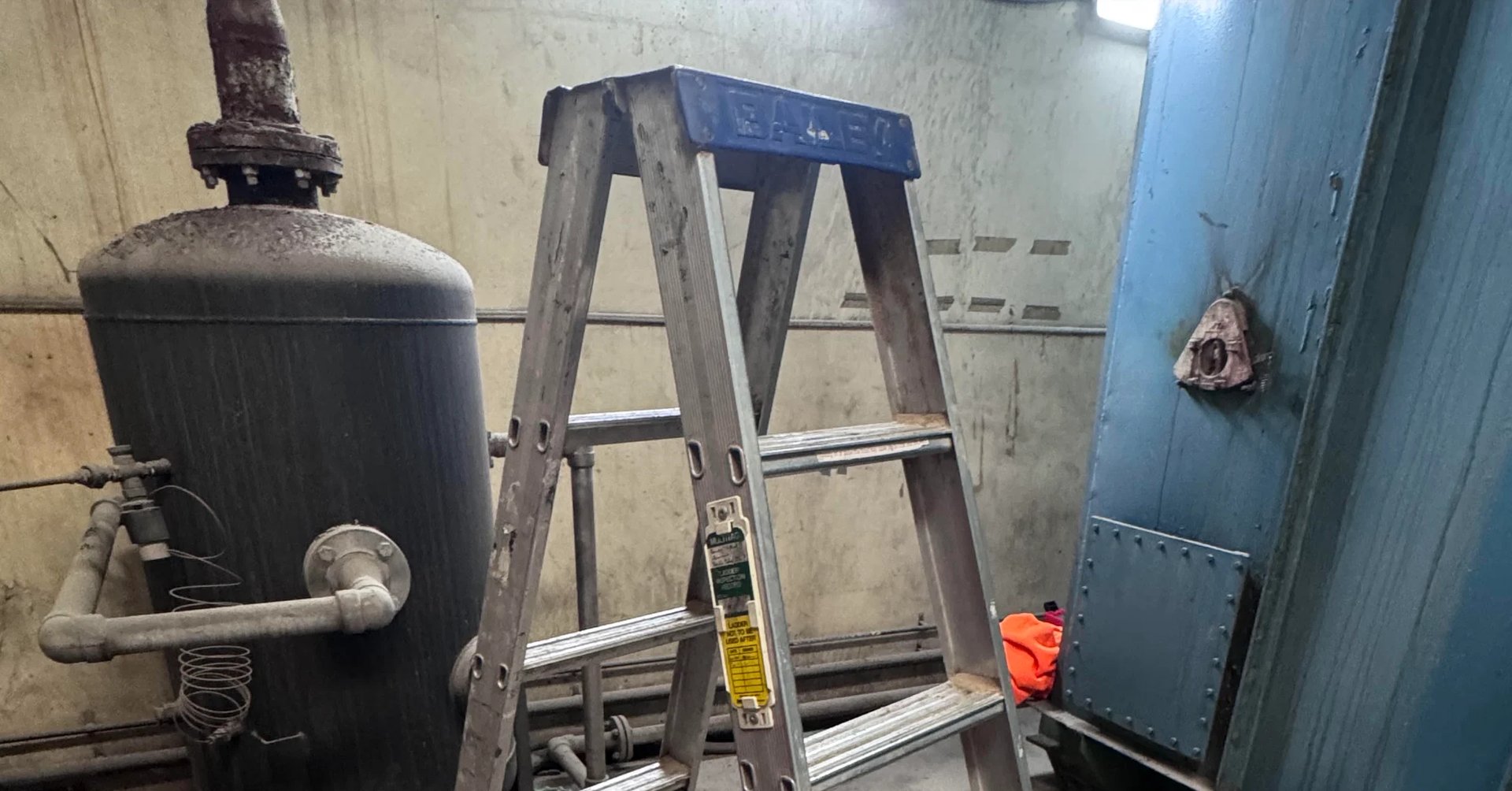
Portable workplace ladders inspected against criteria derived from AS/NZS 1892.5:2020. Each ladder receives a recorded pass/fail result, an identification tag and a digital inspection record, with photographs included where defects are identified.
Routine inspection of portable workplace ladders to identify damage, deterioration and other defects that may create a fall risk.
AS/NZS 1892.5:2020 (Portable ladders – Selection, safe use, care and maintenance), supported by SafeWork NSW guidance for managing fall risks.
Liberty Test & Tag provides documented workplace ladder inspections across Greater Sydney for schools, warehouses, workshops, offices, manufacturing facilities and commercial premises.
We inspect step ladders, extension ladders, platform ladders, multi-purpose ladders and telescopic ladders. Each ladder is assessed individually for condition, suitability, load-rating information and defects that may affect safe use.
The inspection provides a documented point-in-time assessment. Ladders that fail are identified, recorded and withdrawn from service pending appropriate repair or replacement.
SafeWork NSW advises businesses to avoid working at height where possible and to consider safer access equipment before using a portable ladder.
Where a ladder is appropriate, it should be suitable for the task, meet applicable Australian Standards and load requirements, and be inspected for damage before use.
SafeWork NSW guidance also states that faulty or damaged ladders should be removed from service.
Liberty's documented ladder inspections complement these workplace checks by providing a recorded assessment of ladder condition, suitability, identification, load-rating information and visible defects.
Comprehensive examination for damage, wear, corrosion, and structural integrity
Check stability, locking mechanisms, anti-slip feet, and moving parts
Attach inspection tags showing inspection date and recommended review date
Comprehensive documentation for records, audits, and insurance
During a recent pharmaceutical-facility inspection, we assessed six portable ladders, including an extension ladder and five aluminium A-frame ladders. The inspection identified differences in domestic and industrial ratings, missing identification information and ladders that were technically intact but not necessarily suitable for the workplace in which they were being used.
This is why our inspections consider more than visible damage: a ladder can be in good physical condition and still be unsuitable for its intended workplace use.
A selection of the types of condition issues identified during workplace ladder inspections.
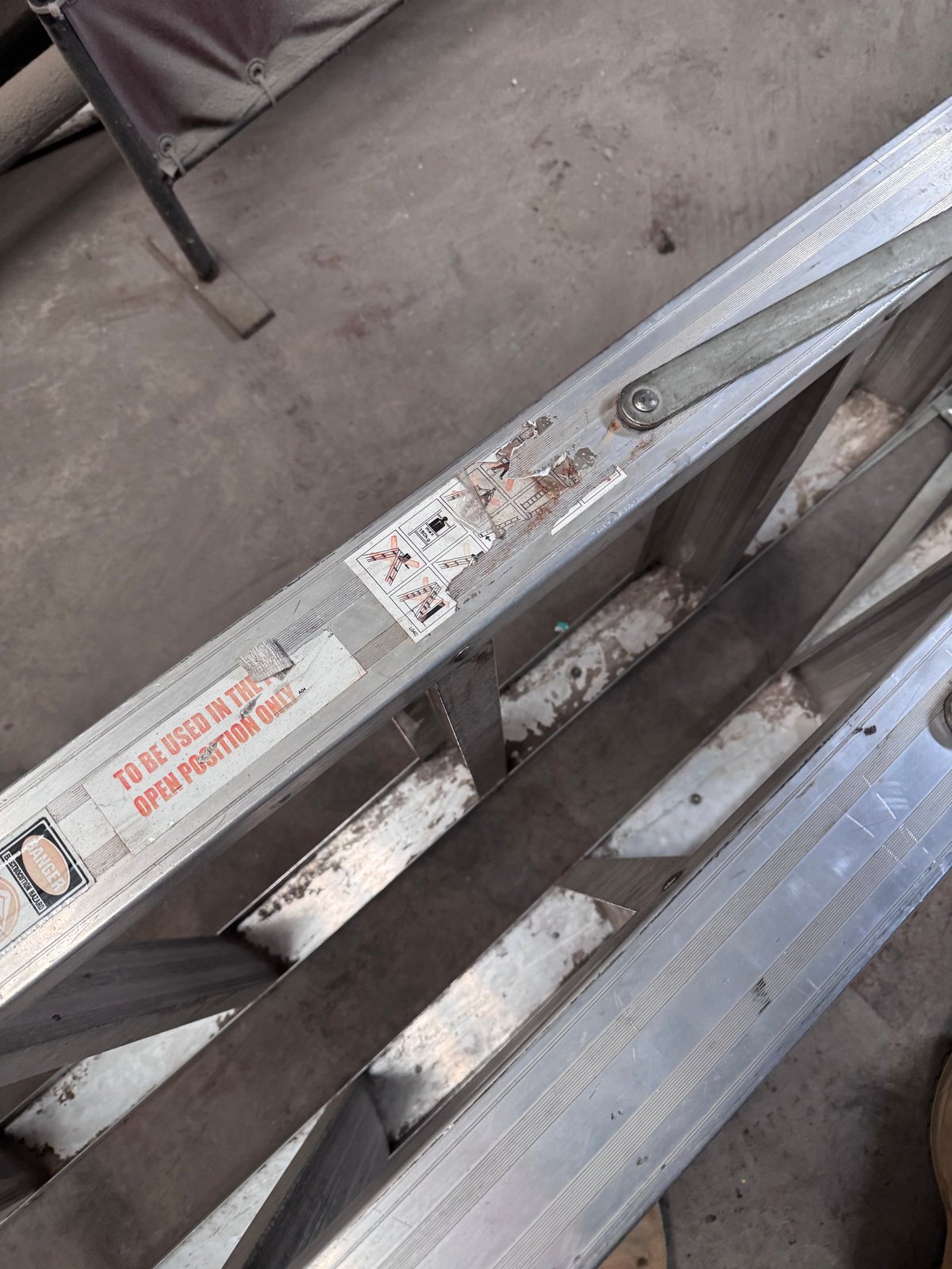
Wear, corrosion or damage to rungs can create a slip or fall risk.
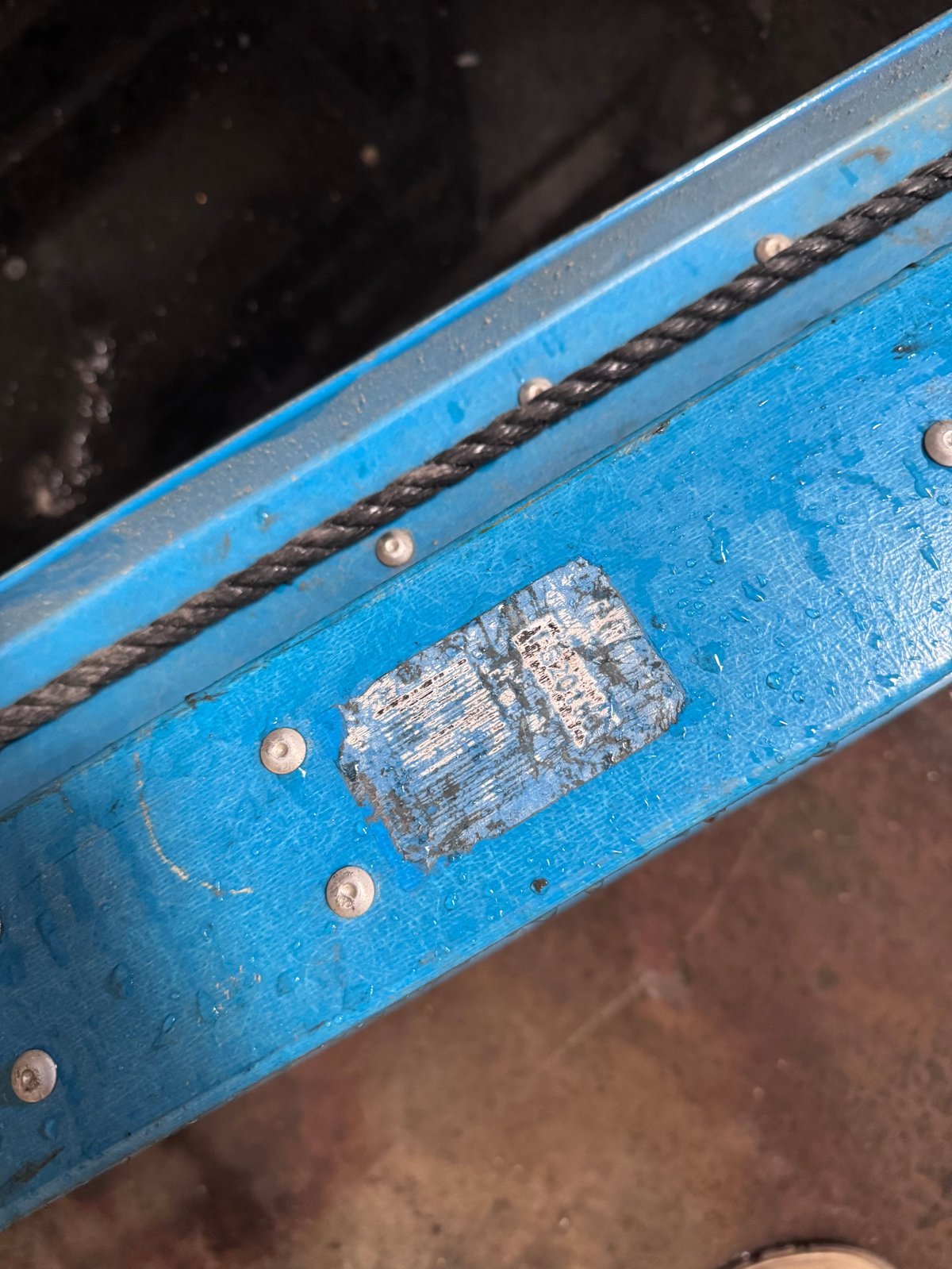
Worn labels can make load rating or suitability unclear.
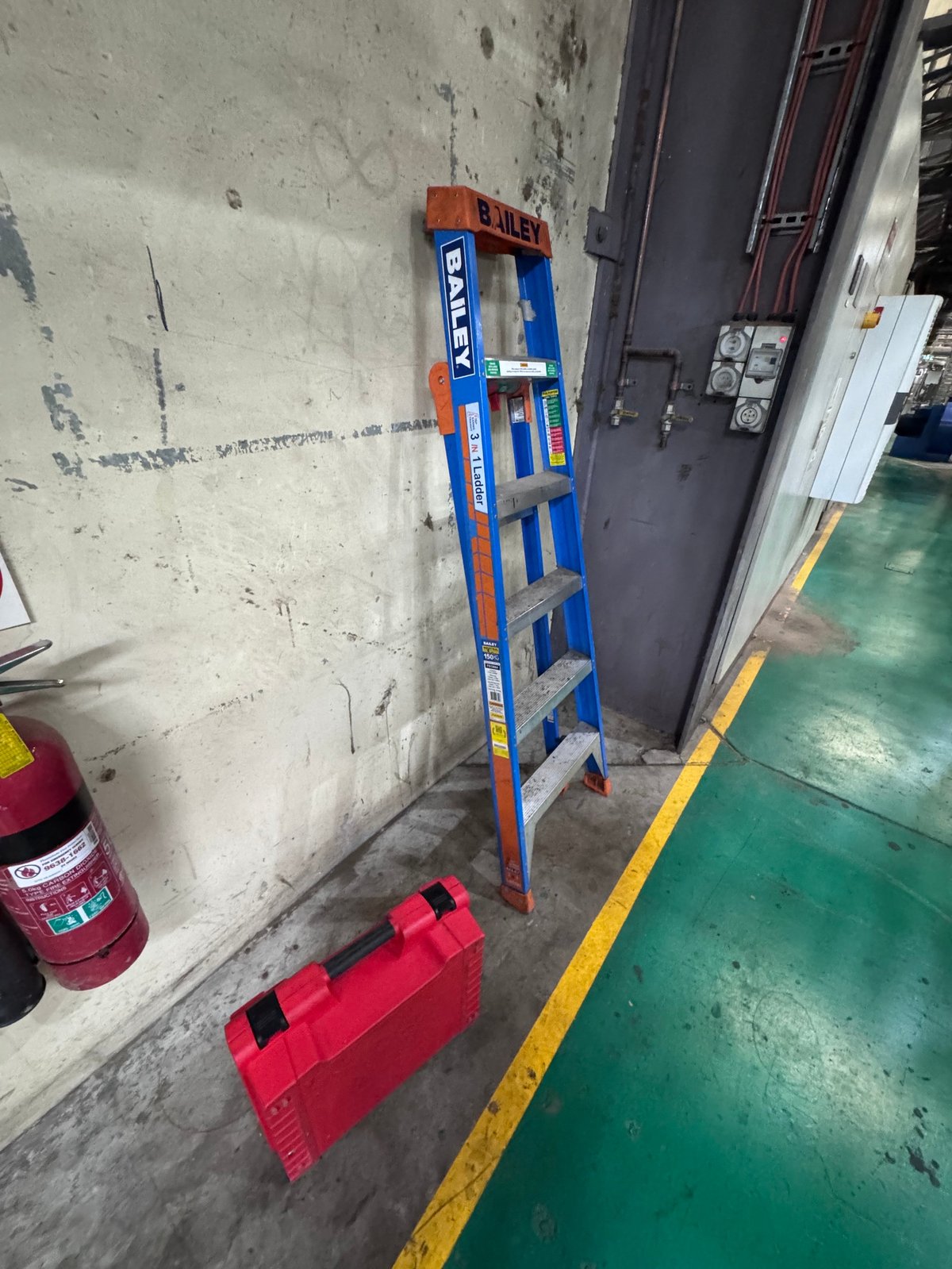
Damaged or missing feet can reduce stability and grip.
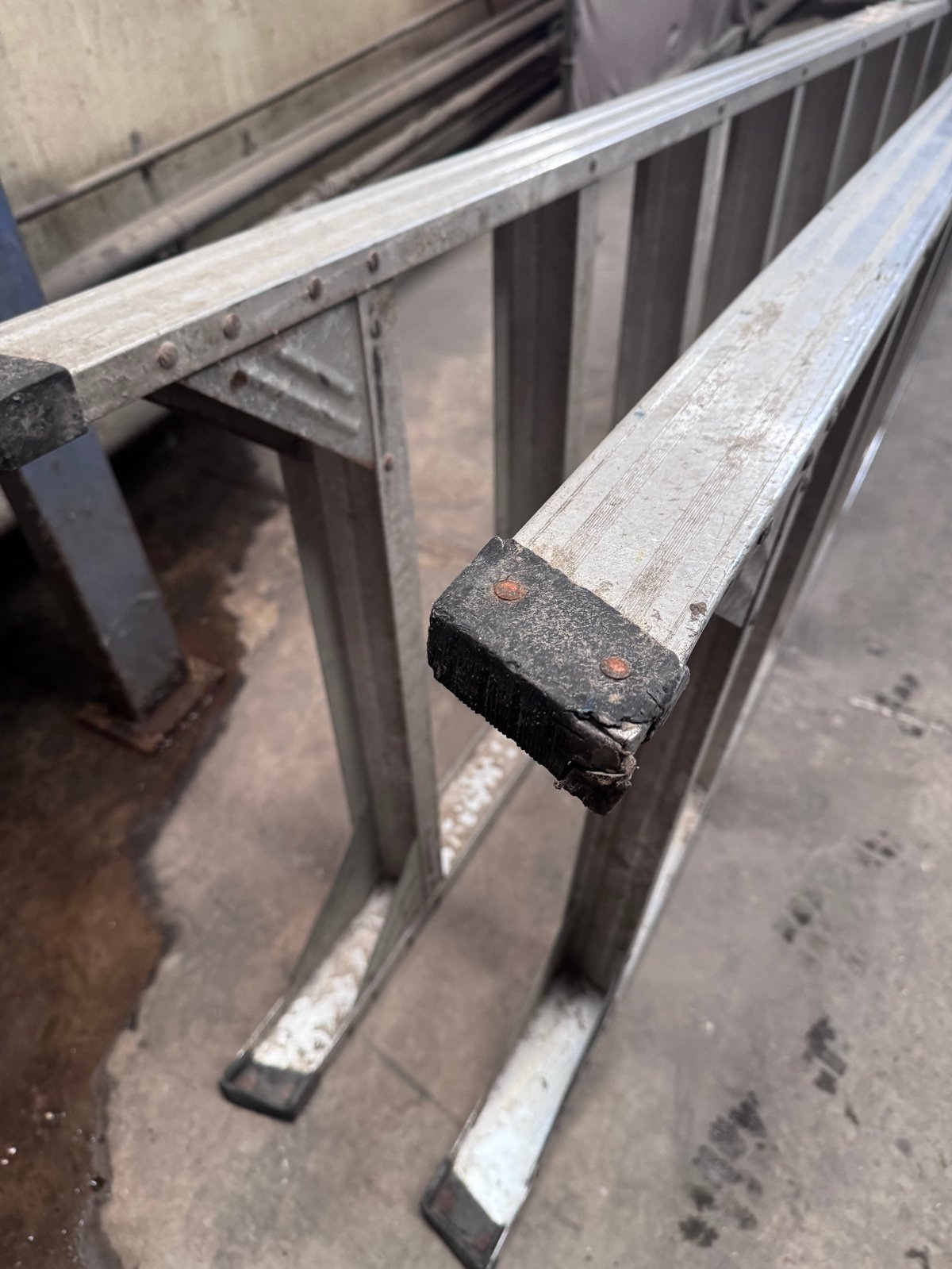
Bent or damaged stiles may affect structural integrity.
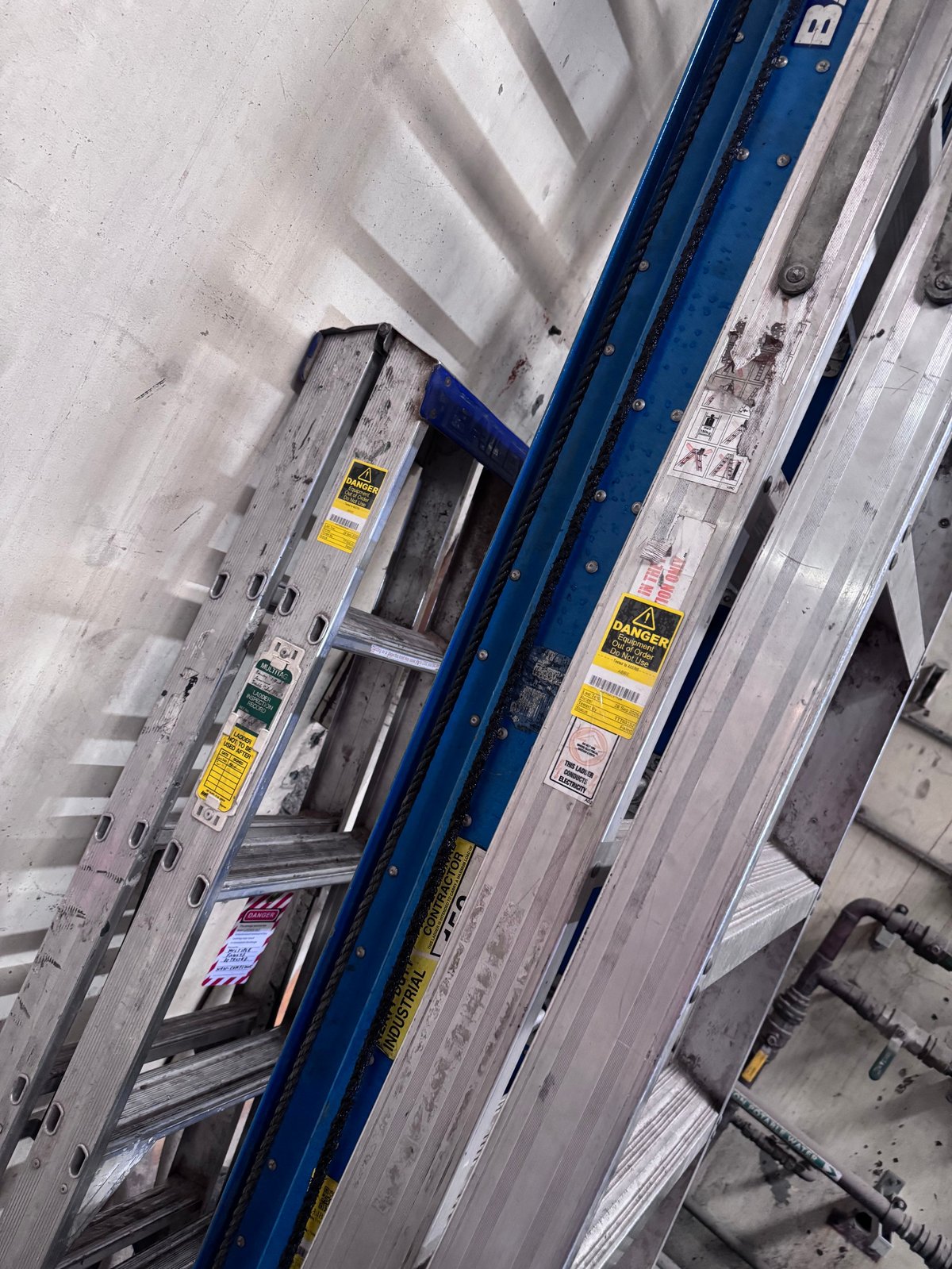
A ladder may be suitable for intended use, or may be unsuitable for commercial environments.
Our ladder inspections are carried out with reference to AS/NZS 1892.5:2020 and applicable workplace safety requirements.
Ladder safety is not only about visible damage. Safe use also depends on selecting the correct ladder for the task, ensuring the ladder is suitable for its intended use and load, and confirming that key components such as feet, rungs, locking devices and structural members remain in safe condition.
Portable Ladders
Inspections and maintenance of portable ladders are carried out in accordance with AS/NZS 1892. This covers ladder condition, load rating, feet and rungs, locks, stiles, and labels.
Our technicians perform thorough inspections covering all critical safety components:
Frame integrity, rail alignment, spreader bars, and overall structural soundness
Condition of rubber feet, grip surfaces, and non-slip attachments
Spreader locks, hinges, extension locks, and all securing hardware
Rust, oxidation, paint degradation, and material deterioration
Tread condition, rung security, grip surfaces, and structural integrity
Inspection identification tagging, inspection dates, load ratings, and traceability
Protect your workers and your business with regular ladder safety inspections.
Identify damaged or unsafe ladders before they cause workplace injuries. Falls from ladders can result in serious injuries or fatalities.
WHS inspectors can issue fines for non-compliant access equipment. Regular professional inspections demonstrate due diligence and protect your business from regulatory penalties.
Maintain a register of all workplace ladders with up-to-date inspection records. Professional tagging and documentation support workplace risk management and record keeping across your entire fleet.
Every ladder inspection includes comprehensive documentation that meets Australian Standards and provides clear records for audits, internal safety systems and compliance documentation.
Detailed findings for every ladder inspected
Clearly marked inspection dates and next service due
Easy access to historical inspection data
Clear guidance on equipment status and required action
Ladder inspections are conducted as a digital, criterion-based observation test aligned with Australian ladder inspection requirements.
We record key information such as ladder type, condition, and rated load capacity (maximum safe working load).
Any visual defects or fails are photographed using the camera function on our PAT tester and included automatically in the digital inspection record.
Keep your team safe and your workplace compliant with professional ladder inspections across Greater Sydney.
Compliant Inspections
Qualified Technicians
Inspection Reports
Servicing Greater Sydney, Canberra, Lithgow & Regional NSW