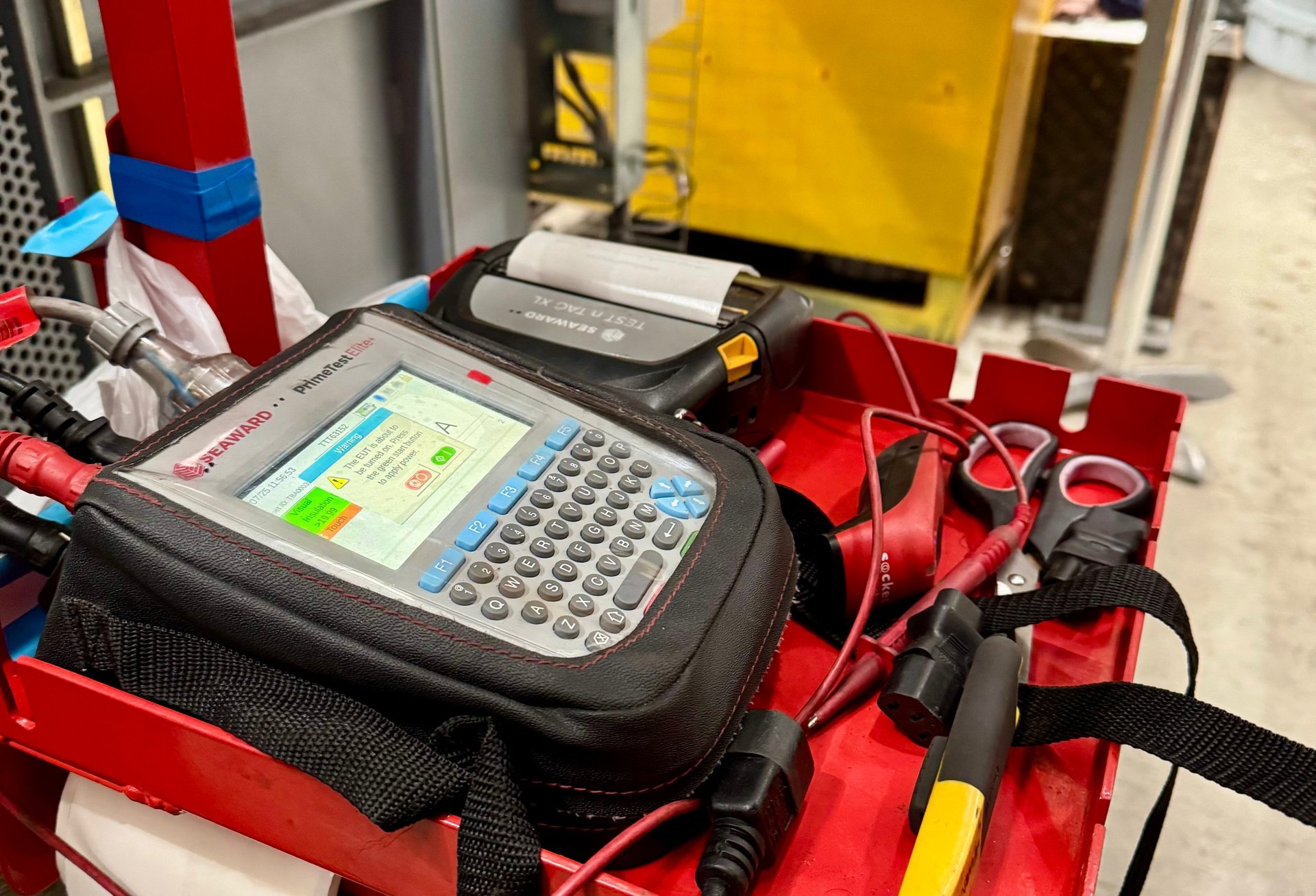
AS/NZS 3760 Testing, Tagging & Digital Reports for Sydney Workplaces
Compliant. Documented. Done.
We come to your Sydney site, test your equipment to AS/NZS 3760, and leave you with audit-ready digital records. Talk directly to the technician — not a call centre.
Liberty Test & Tag provides portable appliance testing and electrical safety testing across Sydney — from the Sydney CBD and Parramatta through Western Sydney to Penrith and Liverpool. We test and tag your electrical equipment to AS/NZS 3760, tag every item, and hand you clear digital records your auditors and insurers can actually use.
We work with offices, warehouses and logistics sites, construction and trades, medical and dental clinics, schools, retail, and hospitality venues across the greater Sydney metropolitan area. Our technicians work around your operations — including after-hours and weekend visits — so testing happens without shutting your site down.
With Liberty you deal directly with the technician who attends your site. No call centre, no subcontracted crews, no chasing paperwork. Compliant, documented, done — the way it should be.
Every lead, tool and appliance inspected, tested and tagged to AS/NZS 3760.
Trip-time and push-button testing to AS/NZS 3760 and AS/NZS 3017, with results recorded.
Extinguishers, fire blankets and hose reels serviced and documented to AS 1851.
Duration and illumination testing to AS 2293 for compliance.
Three-phase machinery and plant tested to AS/NZS 3012 for construction and industrial sites.
Radiation leakage checks to AS/NZS 60335 for kitchen and staff areas.
Offices, warehouses, construction sites
Efficient service that keeps your team working
Clear digital reports delivered immediately
When it comes to electrical compliance, shortcuts create risk.
Most providers move fast and tag everything — but miss faults, gaps, and documentation issues that surface later during audits, insurance claims, or incidents. We do it properly.
Every appliance is actually tested — not just labelled — so faults are caught early.
Clear, structured digital reports designed for SafeWork inspections, auditors, and insurers.
Testing in line with AS/NZS 3760, based on your site's actual risk level.
Efficient on-site service with minimal disruption to your team.
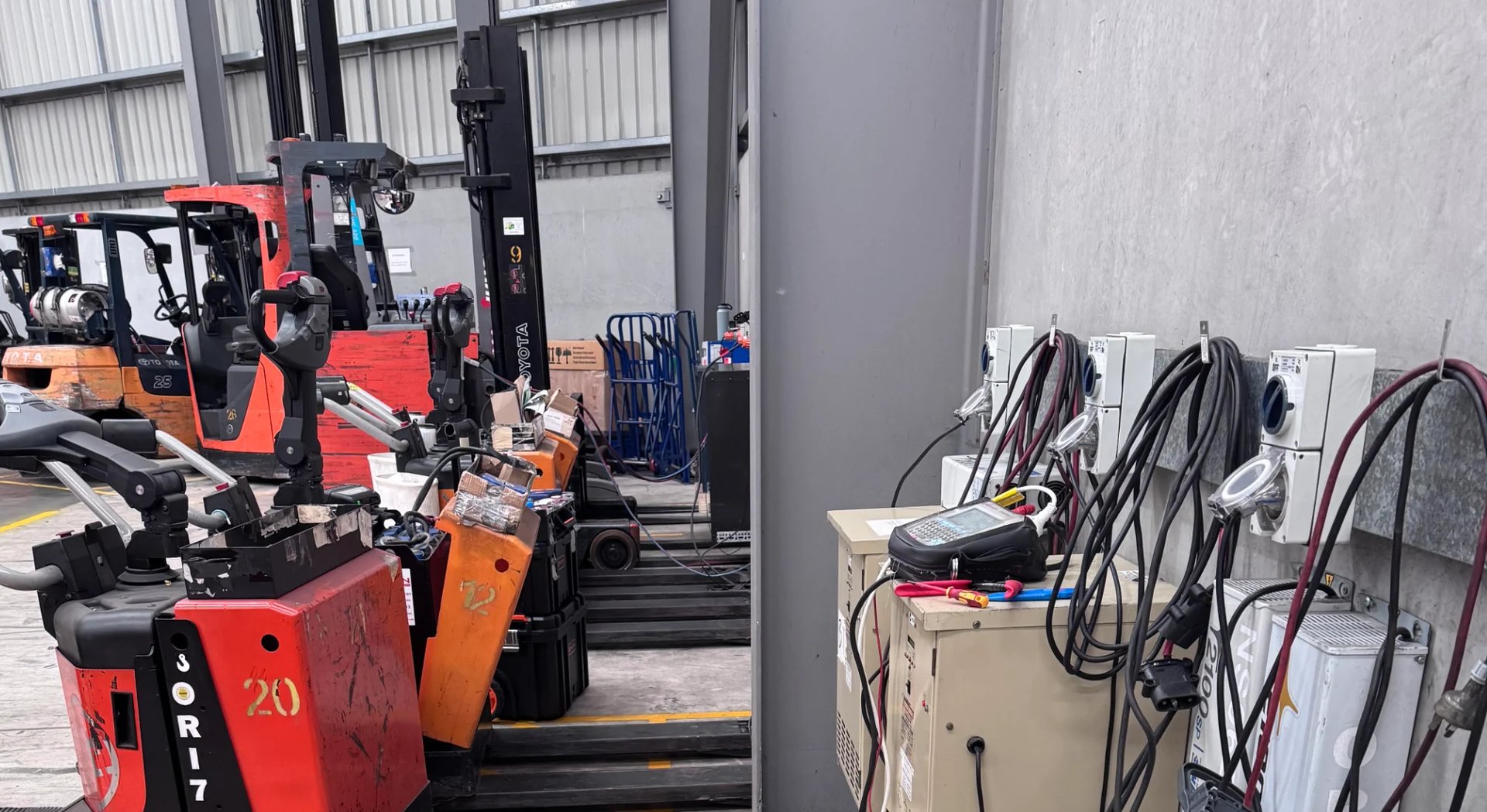
"We would like to express our gratitude on your recent service of testing/tagging our equipment in the NSW warehouse. We will most definitely be in touch again for future opportunities as you have done an above satisfactory job along whilst being very thorough."
Logistics Assistant
Oriental Merchant — Chullora, NSW
We test and tag across Sydney — from Chullora and Bankstown to the CBD and beyond.
Get a Free QuoteSend through your details and site location — we'll come back with a fixed quote. Prefer to talk it through? Call or text the technician directly.
Call or text the technician directly — no call centre.
Liberty Test & Tag provides workplace electrical safety testing throughout the greater Sydney metropolitan area. Our technicians regularly service businesses in the following areas — and travel to sites across Western Sydney, South West Sydney and the Outer West.
Sydney CBD, Inner West, and surrounding commercial precincts.
Parramatta, Blacktown, Penrith and the Outer West.
Liverpool, Campbelltown, Camden and the Macarthur region.
See our dedicated local pages: