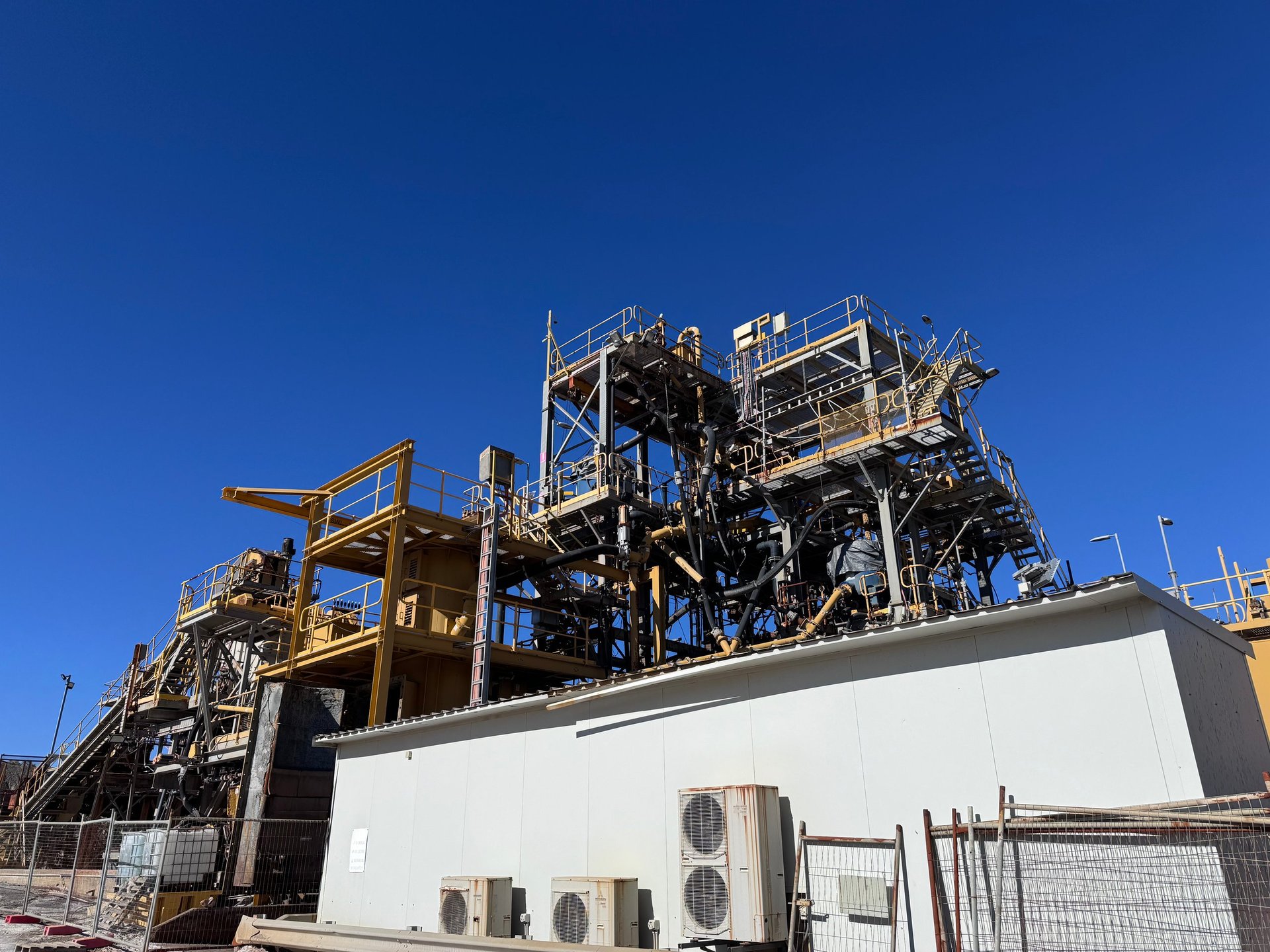
Across two regional NSW mining operations, we inspected and tested more than 1,200 electrical items, and the hardest-working piece of equipment wasn't in a workshop.
TL;DR: Across 6 days at two regional NSW mining operations, Liberty Test & Tag completed more than 1,200 electrical tests across accommodation, workshops, offices, communications infrastructure and operational areas. 99.25% of items passed, but what we actually found surprised us. Proper test and done right yields results worth writing about.
We had the opportunity to test a wide range of portable electrical equipment across two modern mine sites. This posed a unique challenge.
There was 3-phase equipment, pumps, drills, welders, compressors and specialist mining equipment operating in demanding industrial environments.
But the hardest-working piece of electrical equipment we found wasn't in a workshop.
It was the bar fridge sitting in the mining camp.
And what we found when we pulled some of those fridges out demonstrated exactly why electrical inspection and testing needs to consider more than the appliance sitting in front of you.
| 2 | 6 | 1,200+ | 99.25% |
|---|---|---|---|
| Mining operations | Days on site | Tests completed | Pass rate |
Liberty Test & Tag was engaged to undertake electrical inspection and testing across two mining operations approximately 8 hours west of Sydney.
One was an active mining operation. The second was transitioning from active mining while continuing to support regional water management, compliance and ongoing activity associated with the nearby operation.
Before mobilisation, we were provided with an asset list of roughly 1,400 items. Once on site, it became apparent that the total electrical asset population was larger. Including areas appropriately tested shortly before our arrival and therefore not retested by us, the overall population across the two sites was estimated post-visit at closer to 2,000 electrical items.
Our job was to establish what required testing, what had already been tested, what was within our scope and what required further clarification.
We worked from printed site maps, progressively marking off completed areas and identifying locations requiring access, escorts or clarification.
The mining camp presented its own logistical challenge. It operated around 12-hour day and night shifts, so testing accommodation meant working around people sleeping during the day as well as those occupying rooms at night.
Elsewhere, the environments changed dramatically.
We moved between offices, communications infrastructure, server rooms, commercial kitchens, workshops, emergency response facilities, water infrastructure and operational areas.
The equipment changed with them.
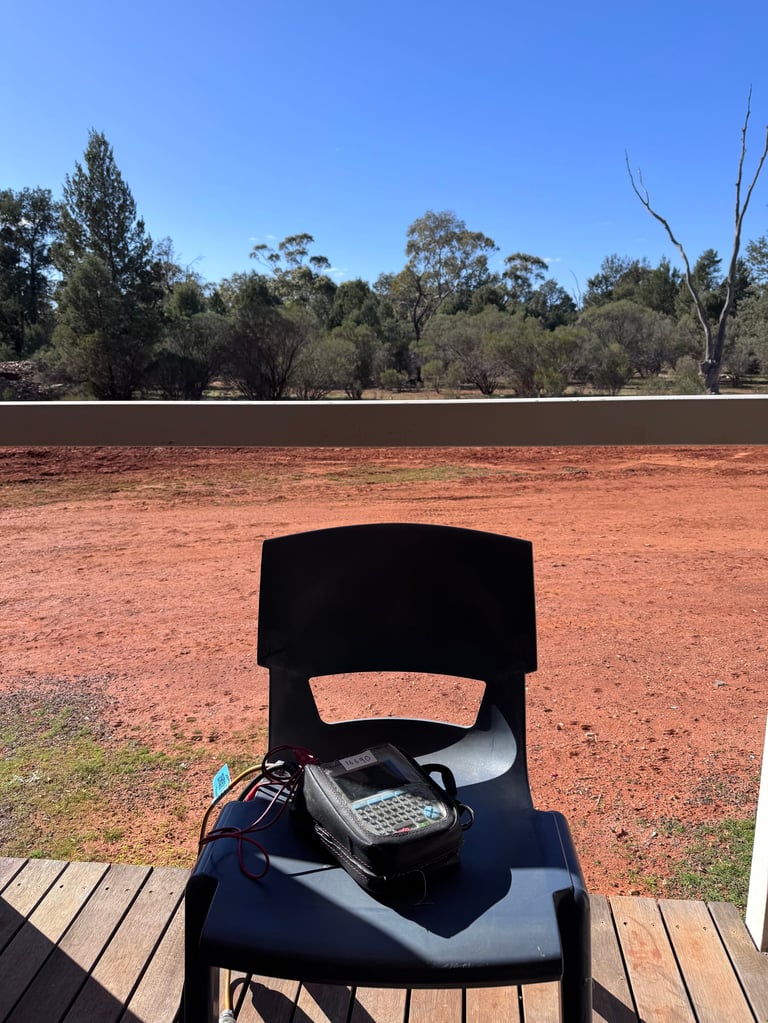
Before mobilisation, the numbers suggested we could be looking at somewhere around 280–300 tests per day.
That's approximately 25 tests every hour – done properly.
We did the maths.
Inspection and testing takes time, particularly when the job involves physically moving between buildings and operational areas across a mine site.
Our process also wasn't based on doing the minimum electrical test necessary to produce a tag. Where appropriate, we undertook leakage testing, recorded trip times on the residual current devices and we tested and treated detachable IEC leads as separate electrical assets requiring their own inspection and testing.
Then there is the visual inspection.
And that became telling.
As we began documenting issues that could've been missed, the Site Services Electrical Superintendent accepted our reasoning on the numbers, because we began to find interesting things.
A bar fridge doesn't immediately sound like a particularly demanding piece of mining equipment.
Put one inside every room in mining camp and the picture changes.
These fridges operate continuously. They can be packed with drinks, food, medicines and personal items while workers move in and out of accommodation around the clock.
Some sat beneath benches in confined spaces with limited room for heat to escape.
Then add condensation, dust, frequent use, movement, knocks and we find the very reason why portable electrical equipment needs to be regularly inspected and tested.
The cold hard reality began to dawn upon me - some of these bar fridges were getting absolutely thrashed from use.
During our inspections, two refrigerators stood out because of significant damage to their flexible supply cords.
One was particularly memorable.
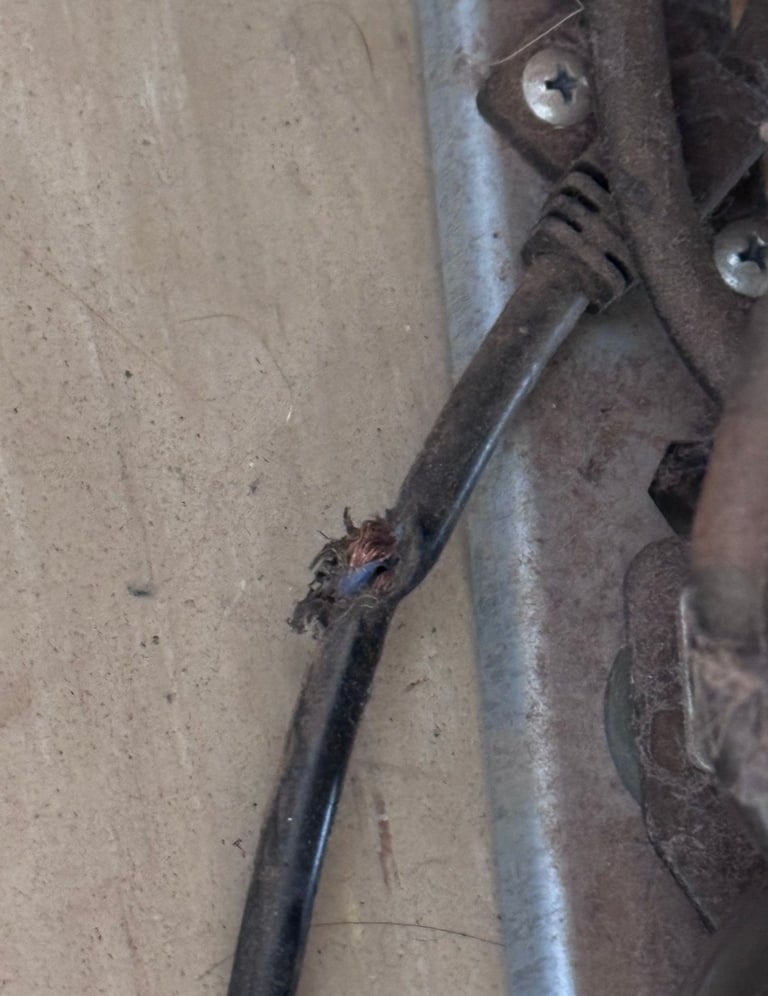
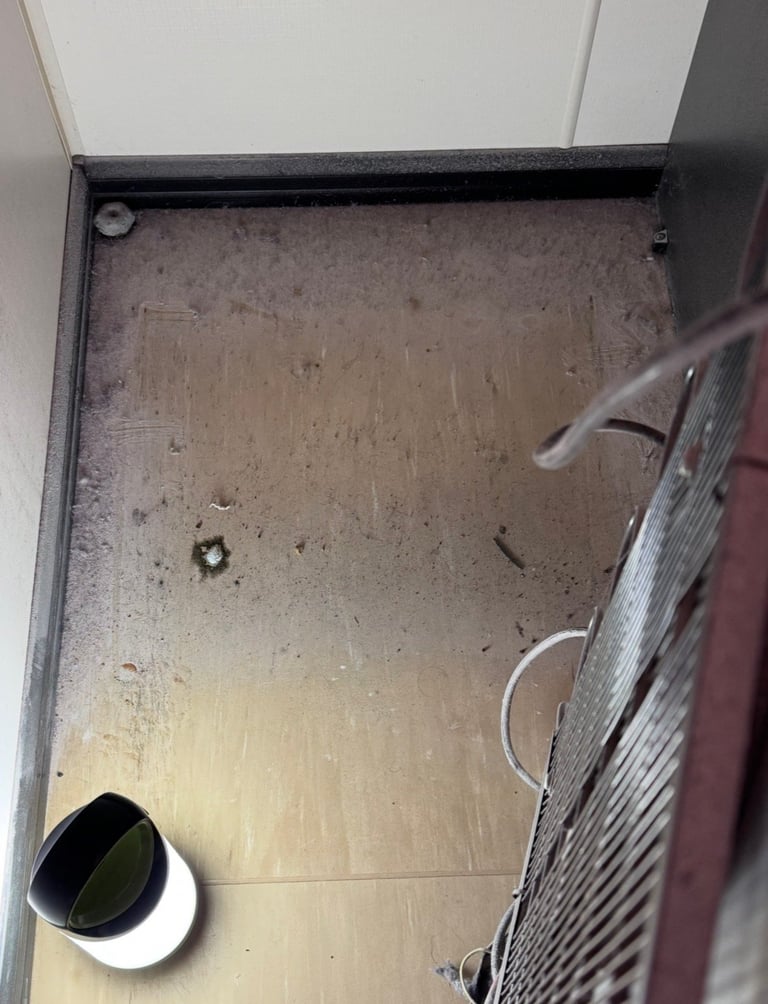
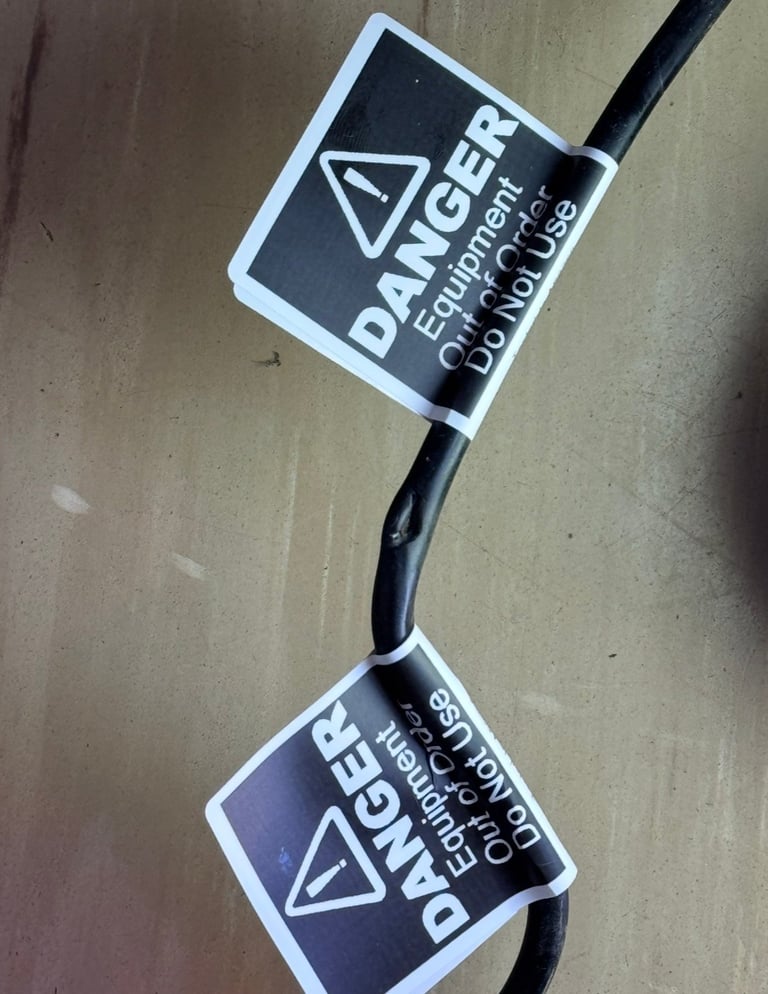
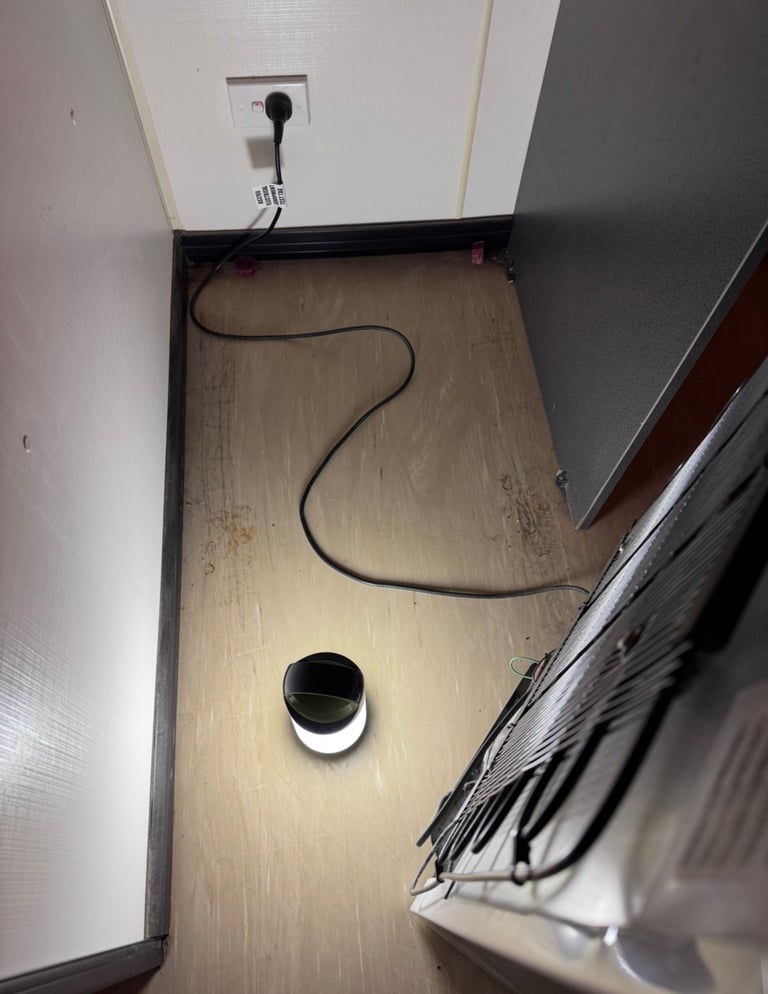
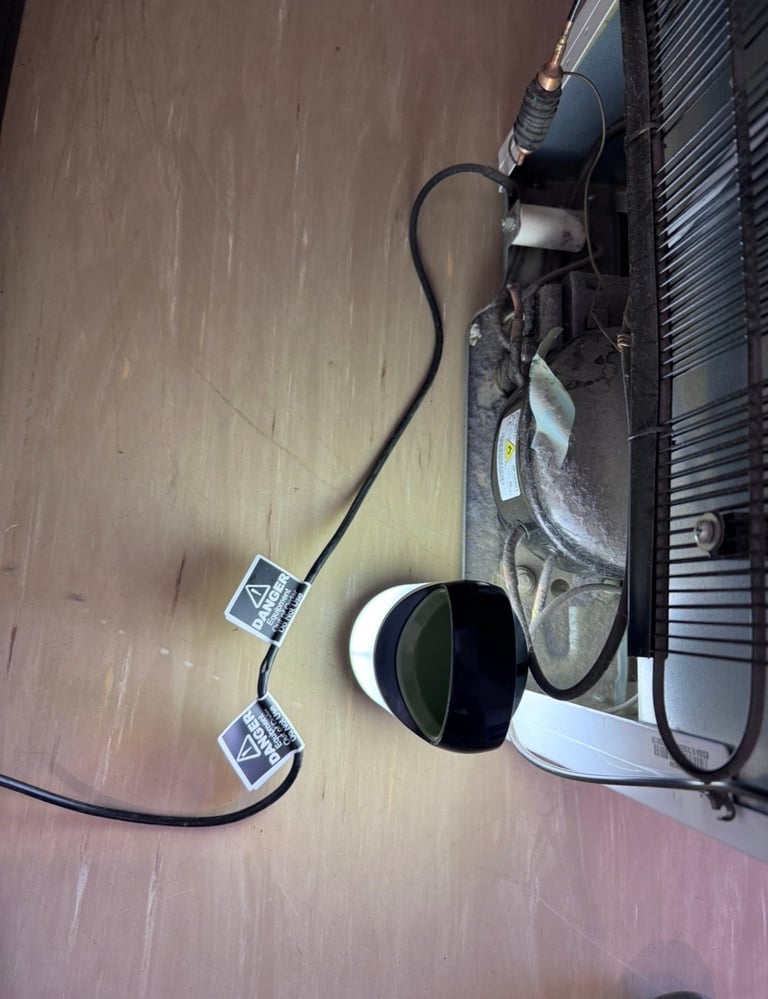
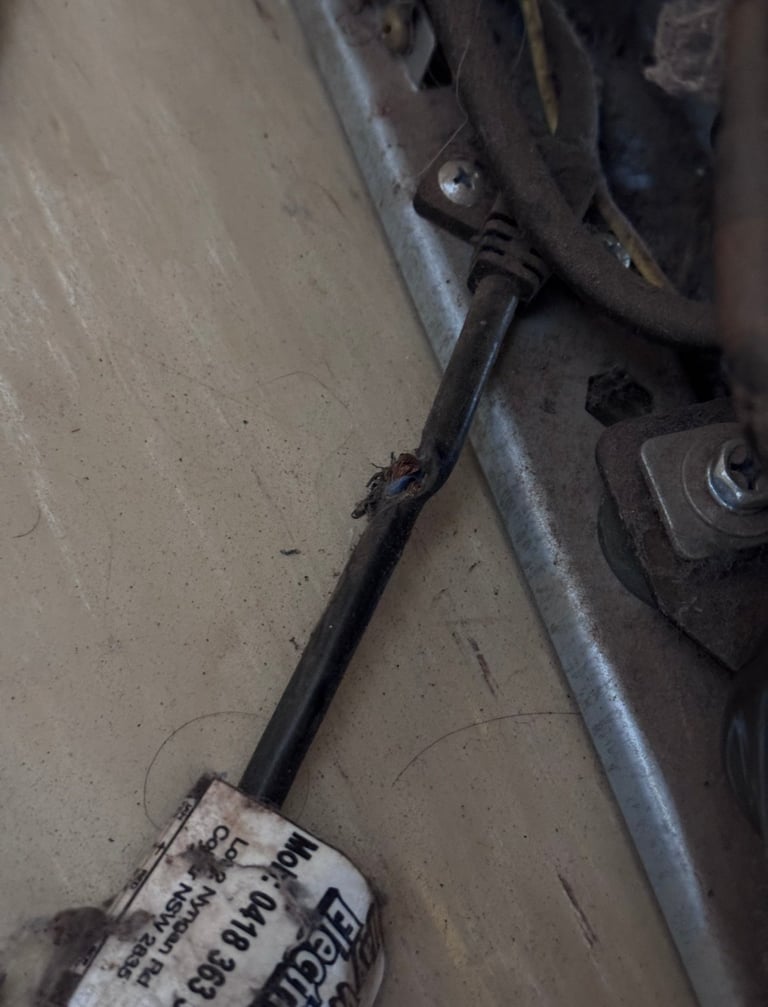
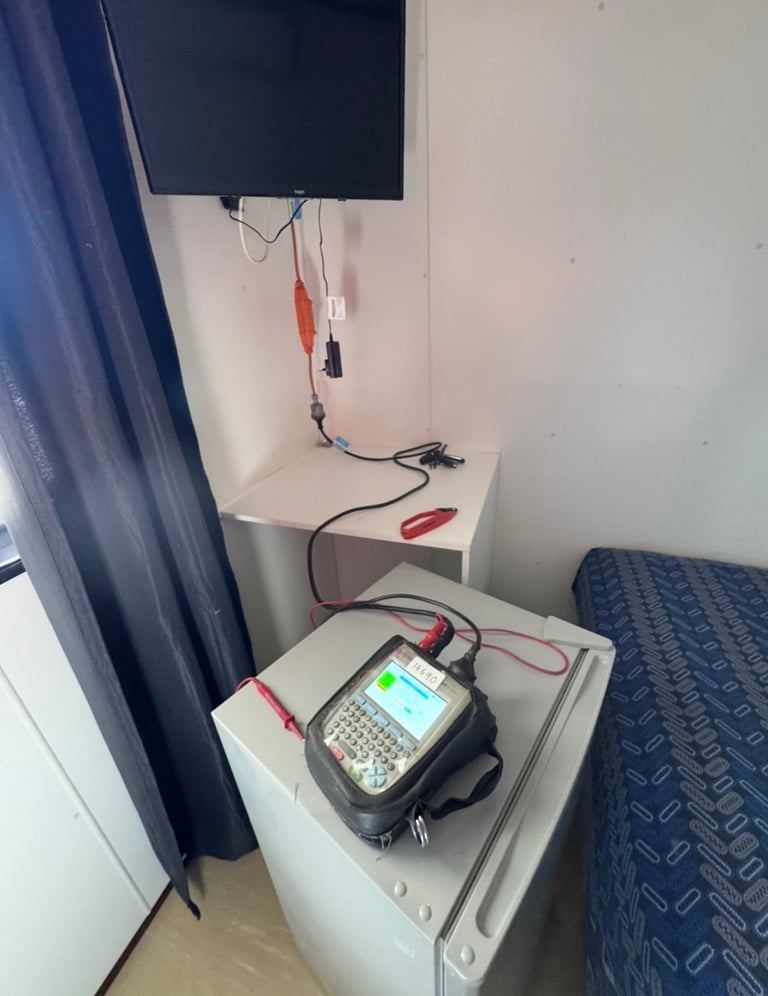
The flex cord was so mangled that the exposed inner copper wiring had a Mohawk.
This wasn't hidden inside an electrical cabinet or piece of specialist mining machinery.
It was an everyday appliance being used in someone's room – a room that was effectively their home for the duration of their stay at the mine.
We photographed the damage, documented it and communicated the finding to the appropriate site personnel without delay.
The reaction when we showed one of the photographs reinforced why the inspection mattered. The damage wasn't necessarily obvious to somebody opening the fridge and grabbing a beer.
It became obvious when somebody physically pulled the appliance out and had a proper look behind.
The fridges weren't the only problems we found.
Different equipment. Different locations. Different causes.
But they demonstrated the same thing: the electrical measurement and the physical inspection work together.
Sometimes the tester identifies the problem.
Sometimes your eyes do.
While testing within the mining camp, we encountered something different.
Our testing indicated an earthing problem affecting power points within two accommodation rooms.
Our role wasn't to diagnose or repair the mine's fixed electrical installation. We documented the result, recorded its location and escalated it through the appropriate site channels so the people responsible for the electrical infrastructure could investigate it.
Elsewhere, an issue associated with an outlet in an administration building resulted in that GPO being taken out of service pending further attention.
This discovery was outside the box.
A test and tag technician shouldn't pretend to be the electrical engineer, site electrician or person responsible for a mine's electrical infrastructure.
But when something isn't right, communicating it to the people who are responsible is a zero-effort action.
Because we physically couldn't...
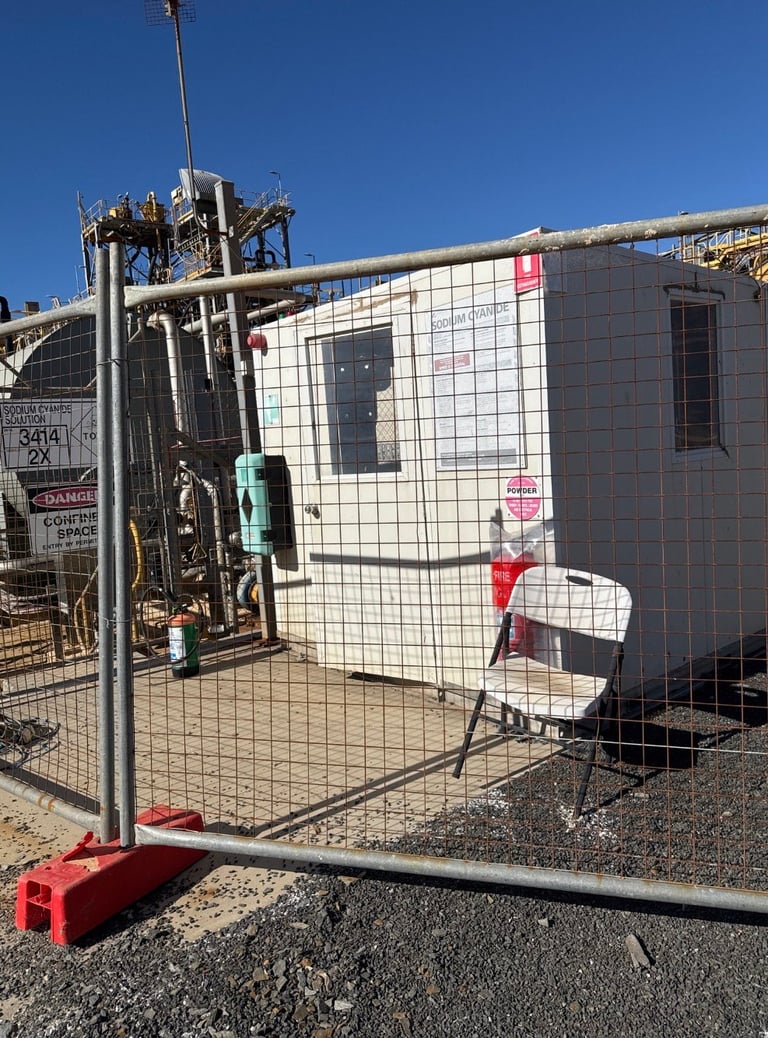
Mine sites also require you to recognise where your authority and scope end.
Some infrastructure was locked, restricted or clearly part of the fixed electrical installation. Some locations required escorts or specific access arrangements.
At one location, we were asked to investigate equipment associated with offsite water tanks.
What we found was a solar panel hard-wired to a locked meter box.
We didn't improvise.
We observed what we could appropriately observe, photographed and recorded it, and communicated what we had found.
That became our rule throughout the mobilisation:
After more than 1,200 tests, the overall condition of the portable electrical equipment across the two mining operations was very good.
A high pass rate indicates that the controls already in place were highly effective in managing the portable electrical equipment across these sites.
But the remaining 0.75% was significant too.
Among a very small number of failed items were damaged cords, exposed wiring, an earth-continuity failure and evidence of significant heat damage.
And beyond the appliances themselves, our testing also helped identify electrical installation issues requiring investigation by others.
There is another stage of the work still to come. As further areas become due for testing, we expect to return and continue building the picture across both operations.
But the first mobilisation demonstrated something that sounds obvious:
We don't know, what we don't know.
Only when a technician is on site and doing the inspection and testing properly can they draw objective conclusions based on what they are seeing on the tester screen and physically before them – bar fridges in mining camps take quite a workout.
The number of tests conducted and the identification of tests that needed to be followed up next year were secondary to identifying and communicating the state of the electrical gear across both mining sites – it's in good nick.
The controls in place were highly effective in managing the portable electrical equipment across both sites.
Different environments. Different requirements. One coordinated testing program.
Learn more about Liberty Test & Tag's Mining & Resources Electrical Testing services