Blog
Electrical testing and tagging often gets grouped into general compliance. Something that needs to be done, scheduled, ticked off, and moved on from.
In aged care, that way of thinking doesn't quite fit. When you're working around vulnerable people, electrical safety carries more weight than a typical workplace.
Most workplaces rely on the expectation that issues will be identified and reported. Damaged leads get reported, faulty equipment gets taken out of service. In aged care, that assumption doesn't always hold. Residents may have reduced mobility, cognitive decline, or be affected by medication, and they're not always in a position to recognise or respond to risk.
In aged care, where residents may not report or even notice these issues, picking them up during the testing and tagging process becomes critical. That shifts the responsibility back onto the systems in place. Electrical safety needs to be more proactive and less reliant on the end user.
Another source of electrical risk in aged care comes from new residents bringing in personal equipment.
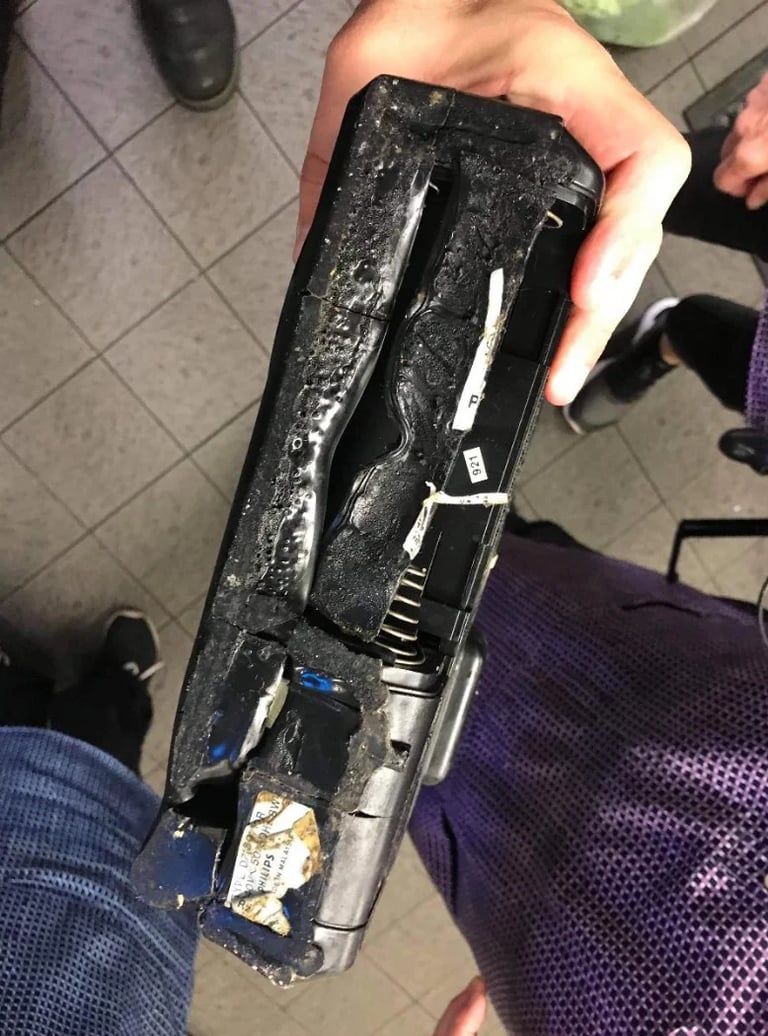
Items such as electric blankets, phone chargers, radios, mobility equipment, and small appliances are often brought from home and put straight into use. These items may already be worn, damaged, or simply not suited to the environment they're being used in.
If not managed properly, equipment that has been used for years in a domestic setting, sometimes with existing faults, becomes part of a workplace environment without any formal inspection.
Over time, cords may already be strained, insulation compromised, or internal faults present before the item even arrives on site. Without a managed process, these risks are introduced into the facility from day one.
Because this equipment isn't owned by the facility, it can get missed and fall outside standard asset registers and scheduled testing programs. That's where the gap forms.
A well-structured system goes beyond applying a tag.
It includes clear identification and test results documented of all in-service equipment, including resident-owned items. It uses risk-based testing intervals that reflect how equipment is used and where it's located. It produces reporting that highlights failed items, documents repairs, and supports decision making.
Just as importantly, it includes processes to remove unsafe equipment from service immediately, not at the next scheduled visit.
In-house testing can also add convenience when new residents bring in personal items. However, the scale required for full facility testing often means in-house personnel become overwhelmed or are pulled away from their usual duties. In most cases, working alongside a specialist contractor can be a more practical and cost-effective approach.
For facilities with the right staff in place, trained and competent under AS/NZS 3760, having a simple intake process allows risk to be conveniently managed as equipment enters the facility, not just during scheduled testing.
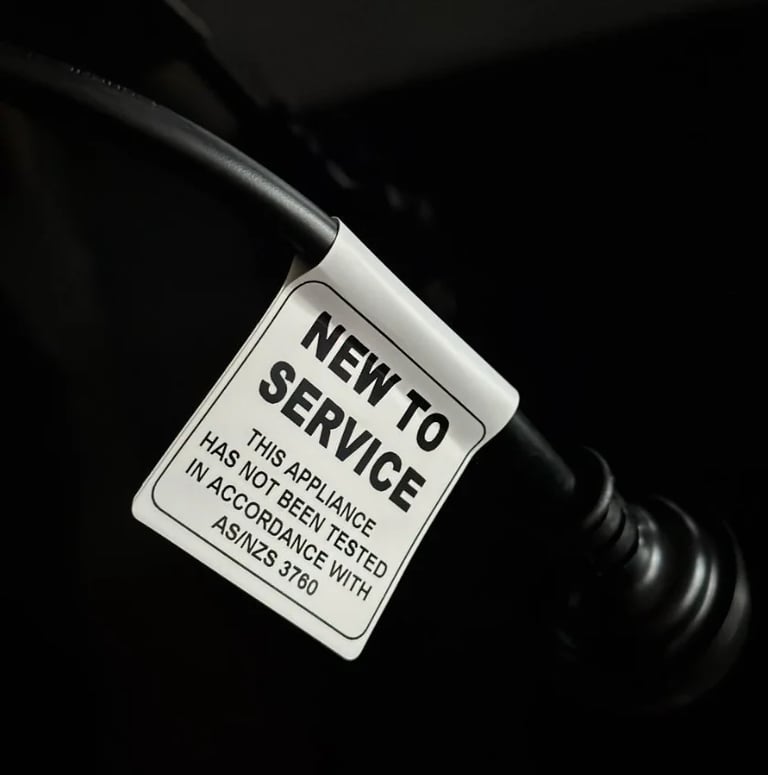
AS/NZS 3760 allows for special "New to Service" tags to be used, but it's important this is applied correctly. Brand new equipment entering service for the first time does not require electrical testing, however it must still undergo a visual inspection and be tagged in accordance with the standard.
That inspection should confirm the item is genuinely new, free from damage, and shows no signs of prior use. Any faults, damage, or uncertainty should result in the item being held back and fully tested before being put into service.
New to Service tagging is not applicable to second-hand or previously used equipment.
When applied properly, this creates a simple and effective way to manage new equipment entering the environment, without introducing unnecessary delays.
From a legal perspective, aged care providers operate under a duty of care to ensure that both residents and staff are not exposed to unnecessary risk. If an incident occurs, the focus shifts to what systems were in place and whether reasonable steps were taken.
Testing records, inspection processes, and how equipment is managed all become part of that assessment. In that context, testing and tagging is not just documentation, it's evidence.
There is increasing expectation around documented safety systems in environments involving vulnerable people. Aged care is no exception. A quality system demonstrates that electrical risks are being managed and, when implemented properly, genuinely reduces the likelihood of an electric shock or fire.
At its core, electrical compliance in aged care is about reducing reliance on the end user to manage risk. The people exposed to that risk are not always in a position to identify it, report it, or avoid it.
Done well, a structured testing and tagging system reduces incidents and creates a safer environment for both residents and staff.
Electrical compliance might sit under the same umbrella across industries, but in aged care it carries a different level of responsibility.
It's not just about meeting a requirement. It's about building a system that identifies risk before it becomes harm, and putting controls in place that protect people who may not always be able to protect themselves.
Get in touch with our team for a customised compliance solution for your aged care facility. Learn more about our Sydney services.
Contact Us TodayHayden Brokenshire is the Managing Director of Electrical Compliance Onsite Pty Ltd (ECO), a West Australian owned company dedicated to creating safer environments for its clients, with a strong belief that safety is a shared responsibility and that it should deliver peace of mind, not paperwork.